A nice week with lots of things going on and therefore lots of photos, starting with some pre-dawn walks, continuing with the monthly meeting of our book club, and then a trip to Poland.
39_1
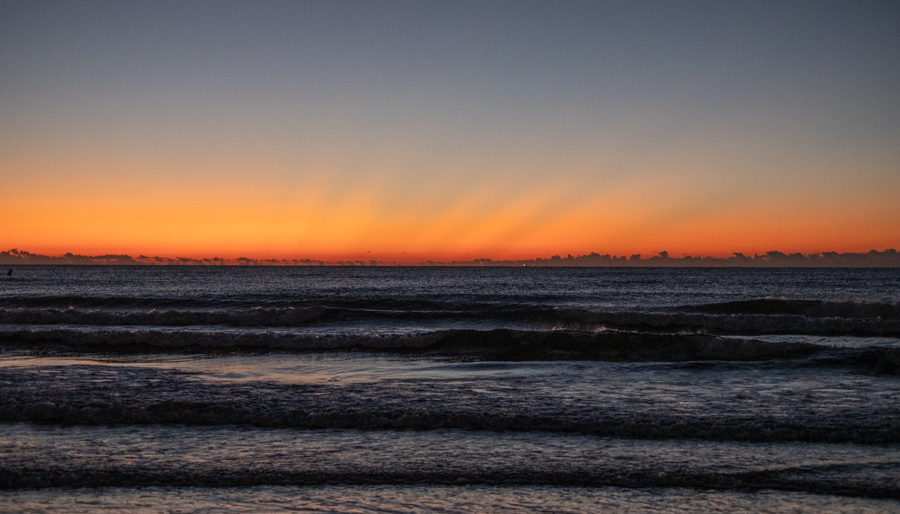
A pre-dawn walk with some interesting cloud formations in the distance:
39_2
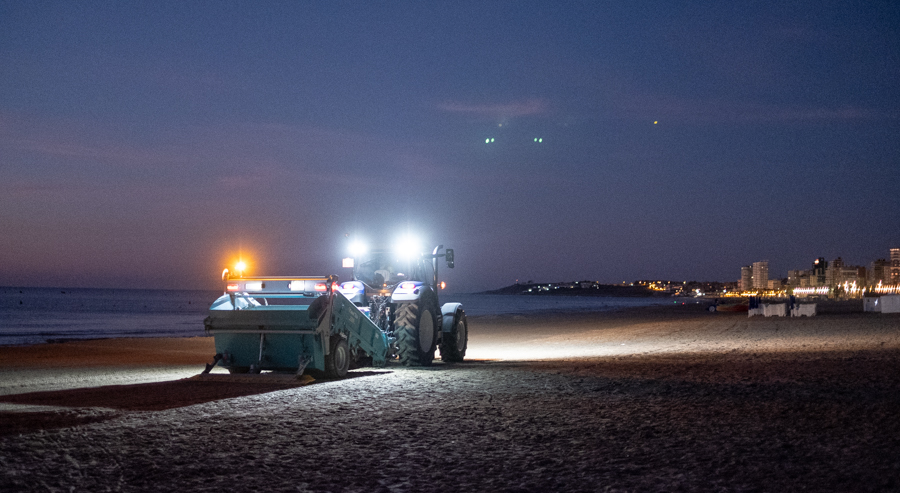
The beach gets cleaned between 3 and 7 a.m. every day:
39_3
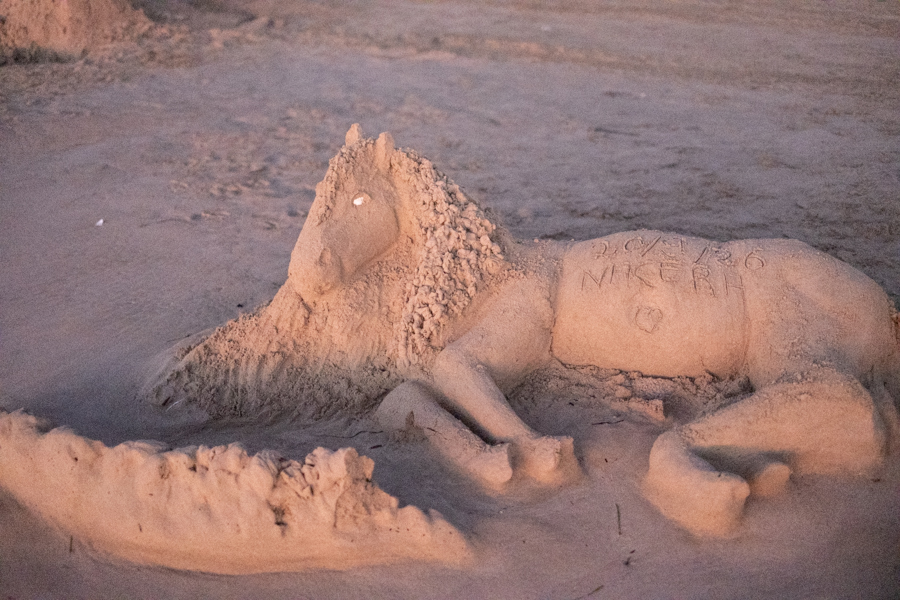
A sand sculpture from the day before:
39_4
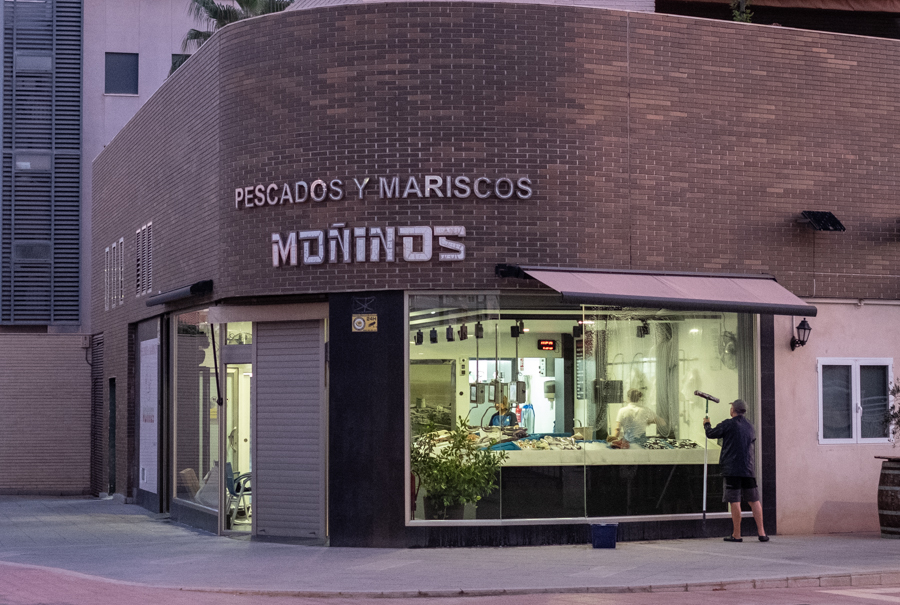
The fishmonger gets ready for the day:
39_5
An evening conversation:
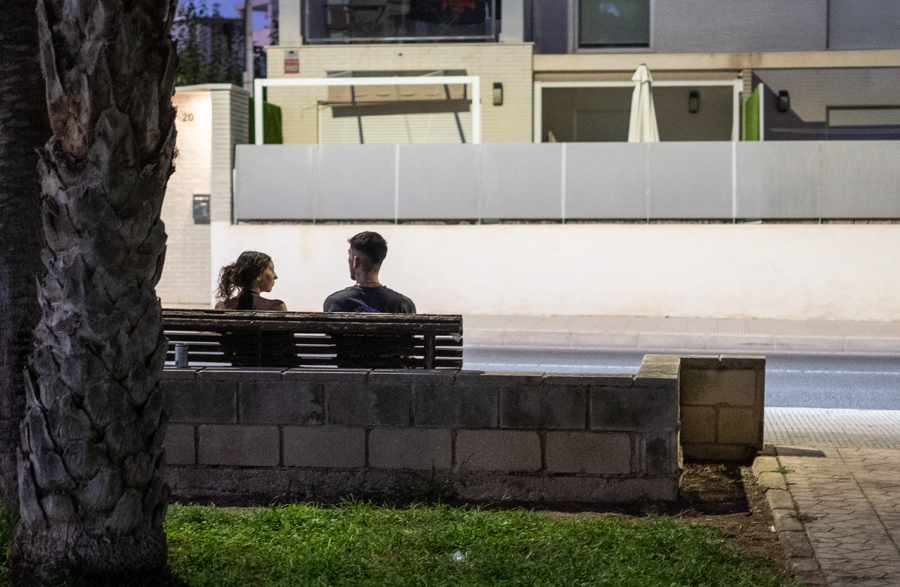
39_6
On Tuesday afternoon, we had our monthly book club meeting. I got to the area where our meeting place is a bit early, so I sat down for a beer on Plaza San Cristobal and watched the people. This is a very typical Spanish scene, three generations out strolling together:
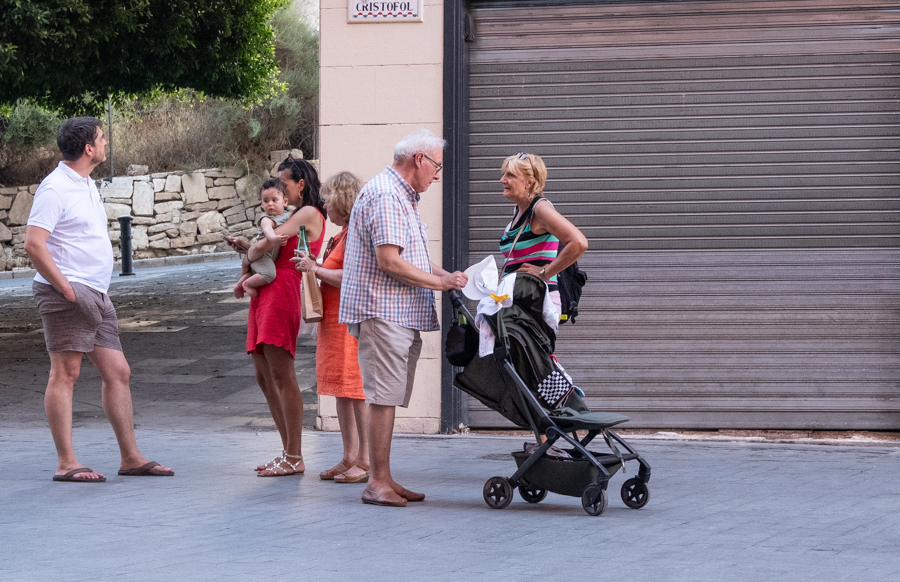
39_7
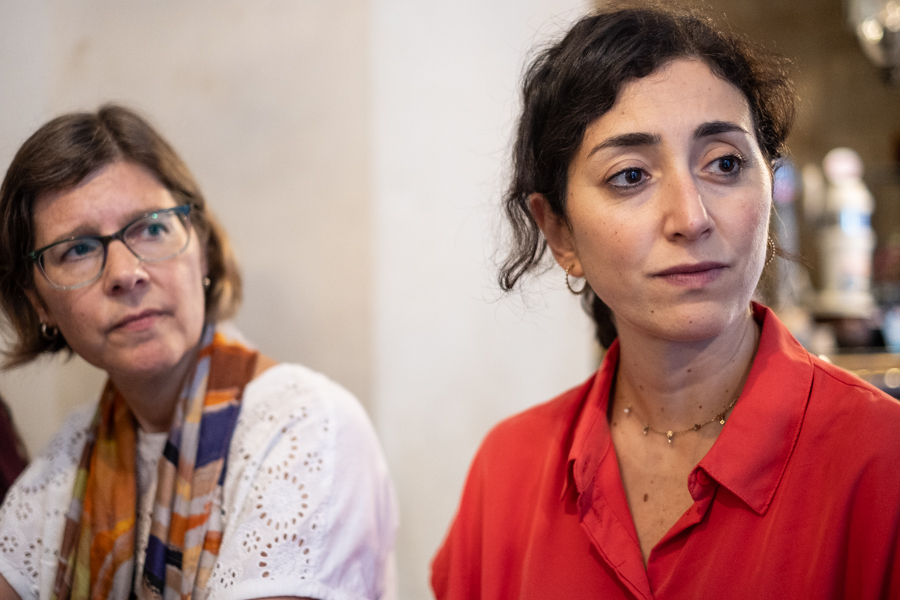
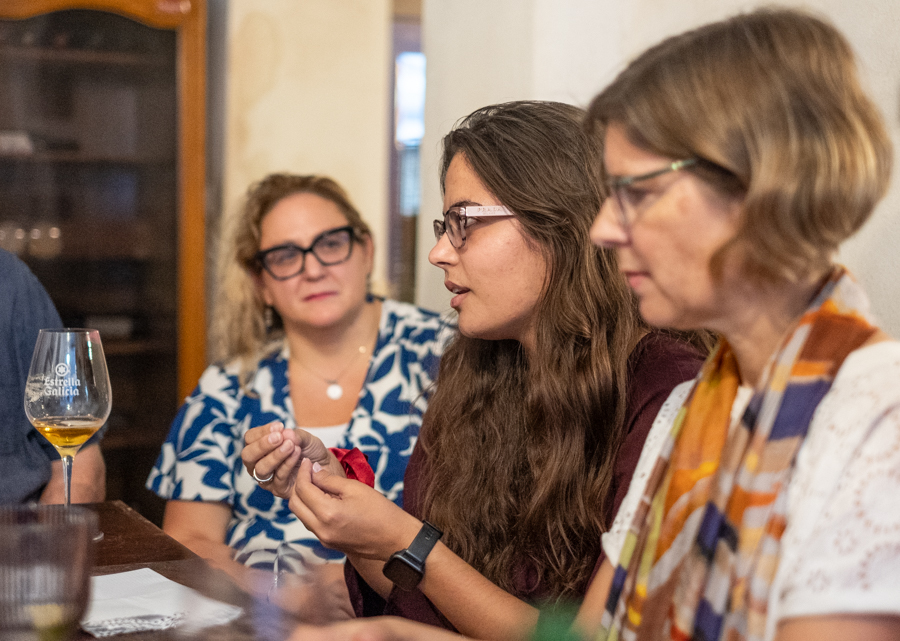
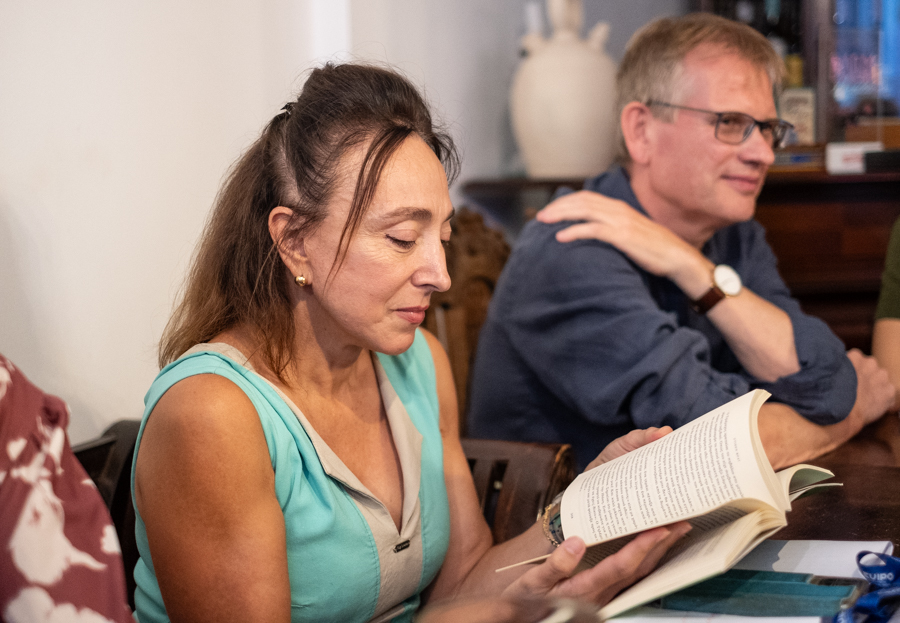
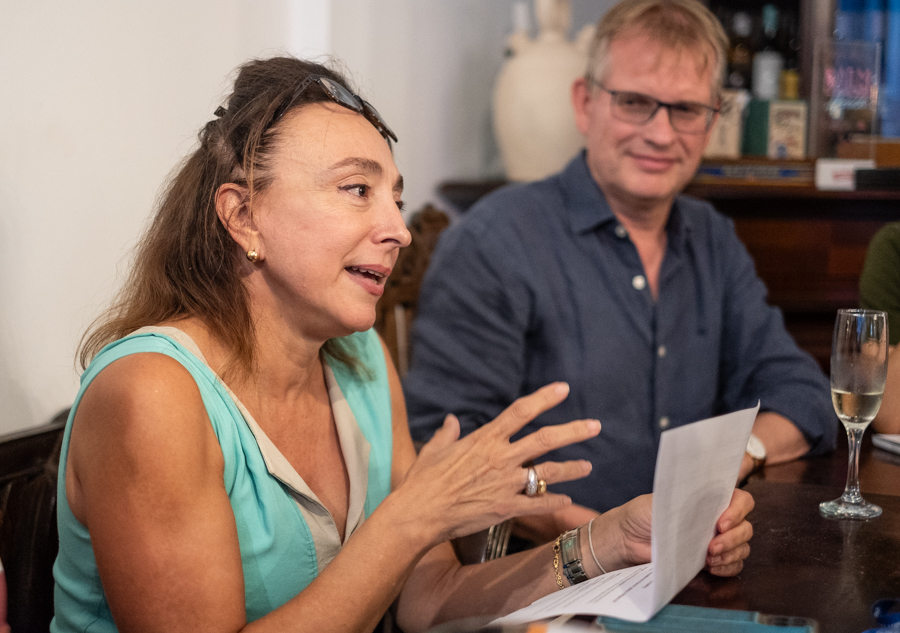
This month, we discussed The Odyssey, obviously inspired by the movie (which many of us have seen) and the surrounding hype. We had the epic in English, Dutch, and, very appropriately, Greek:
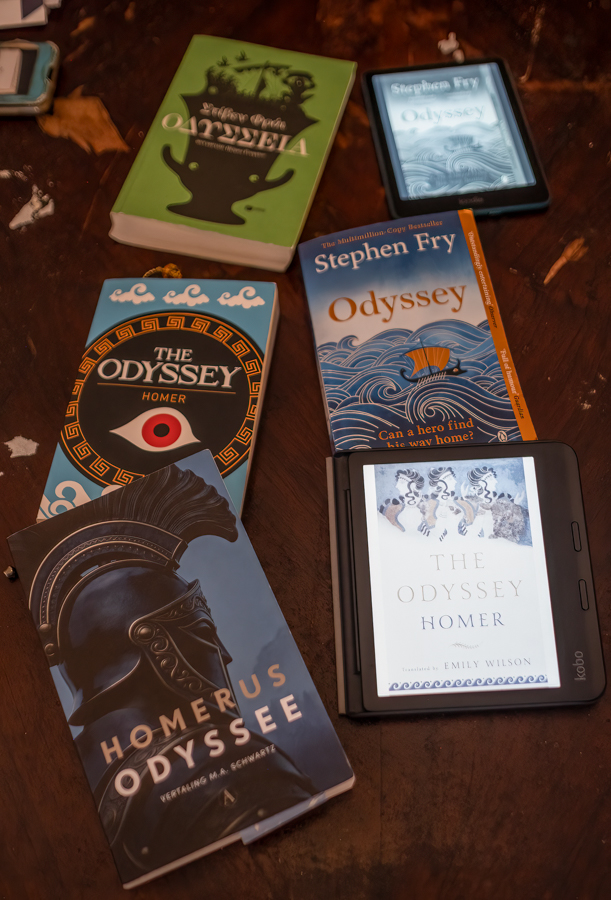
39_8
We have several new members from the new crop of trainees who started in September, including Jooyoung from Korea (we have up to 10% non-EU trainees):
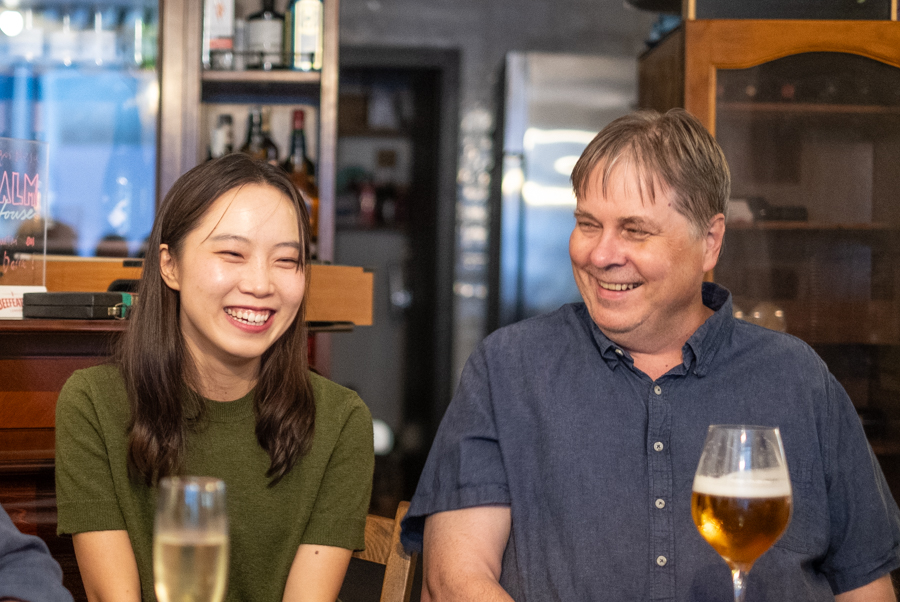
39_9
Elisabetta talks about the Odyssey:
39_10
Another new trainee member, Theodora from Greece:
39_11
Eri looking up something:
39_12
As a Greek proud of her country’s influence on European culture, Eri was especially serious about this meeting, and she came with her notes prepared:
39_13
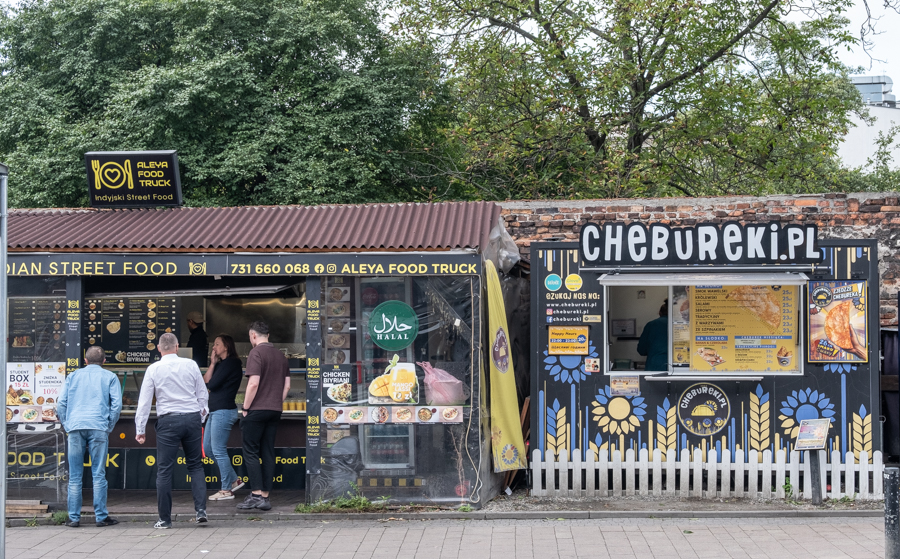
On Wednesday morning I flew to Kraków for a combination of business trip and family visit. I was going to Cedzyna, a suburb of the city of Kielce, about 1 1/2 hour from Kraków by train, where I was going to speak at a conference Thursday and Friday. I had about 4-5 hours in Kraków to walk around and enjoy the city. Just as I stepped out of the train station, I saw the current face of Polish fast food. When I was a small child in Poland, such things were unimaginable:
39_14
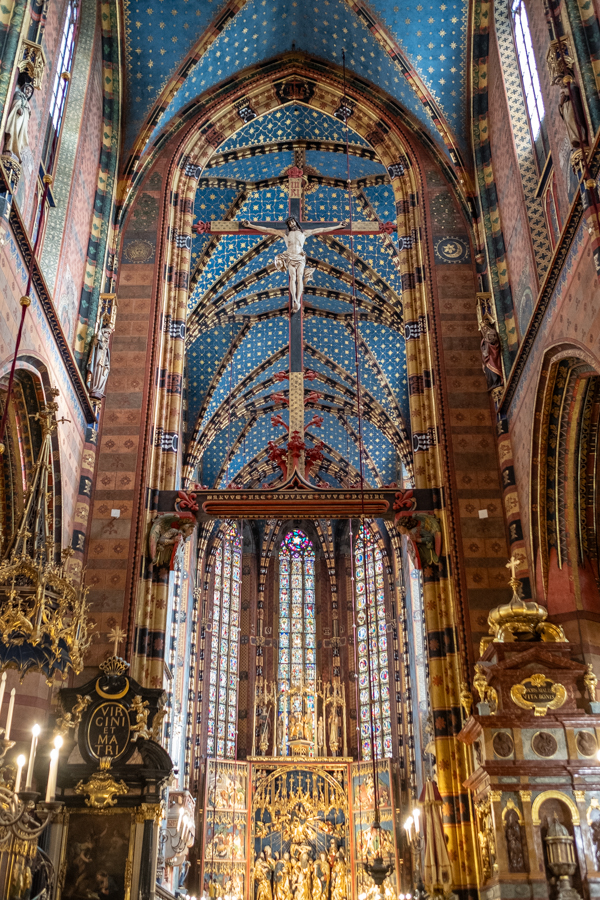
The train station in Kraków is less than 1 km from the central square Rynek. I have been there many times, passing by the impressive medieval St. Mary’s Basilica. But this time, for the first time, I decided to visit the church and also to climb its bell tower. The church turned out to be even more magnificent than I imagined. This is the main altar, the work of the famous 15th century sculptor Wit Stwosz:
39_15
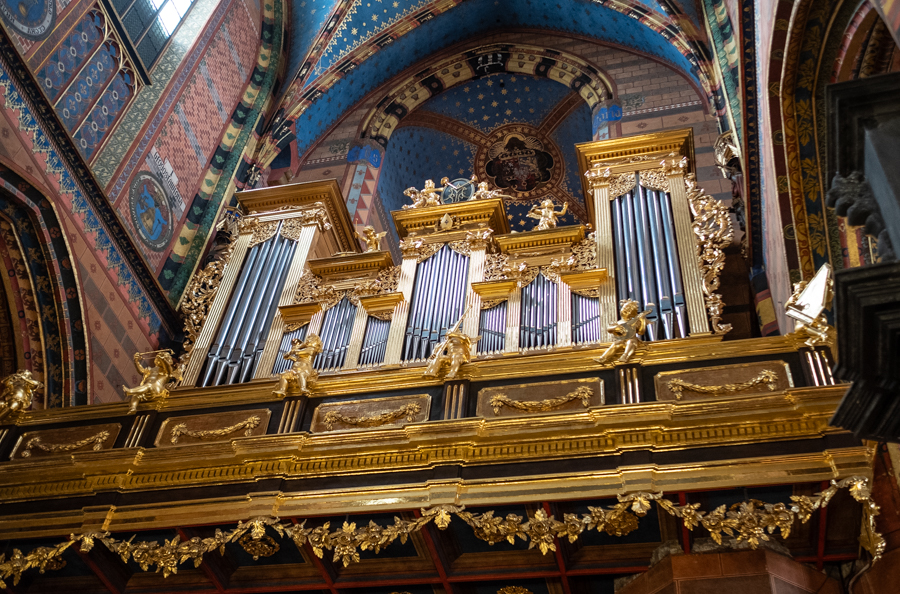
The main organ:
39_16
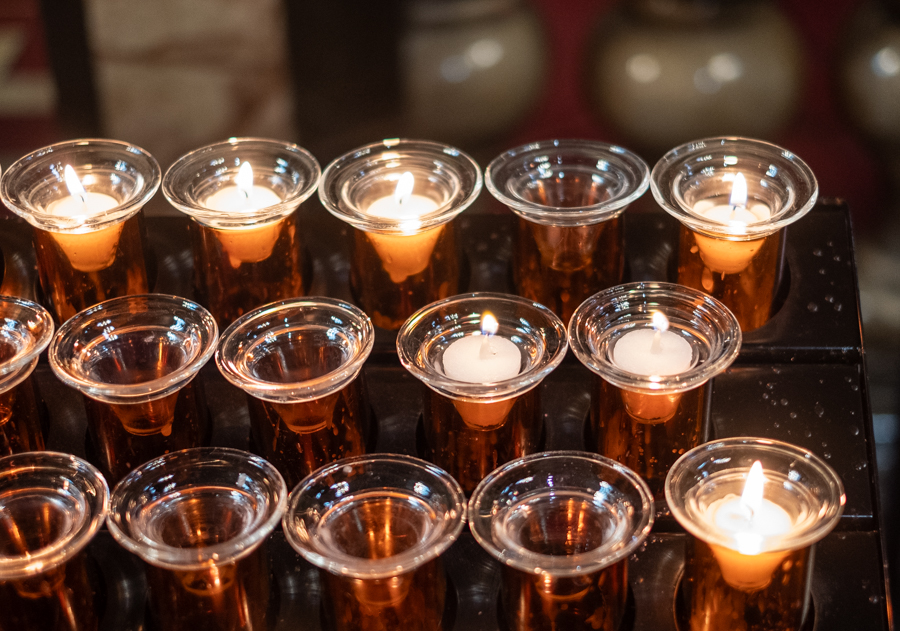
As usual when I visit such places, I lit two candles in memory of my mother, one for me and one for my sister:
39_17
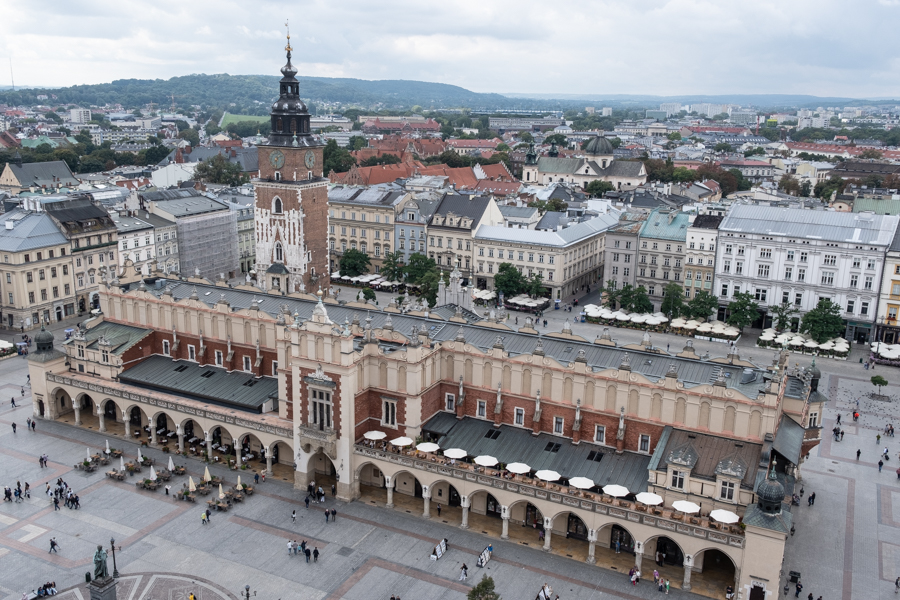
I climbed the tower on the narrow, winding staircase and enjoyed the view of Rynek and the medieval cloth market Sukiennice:
39_18
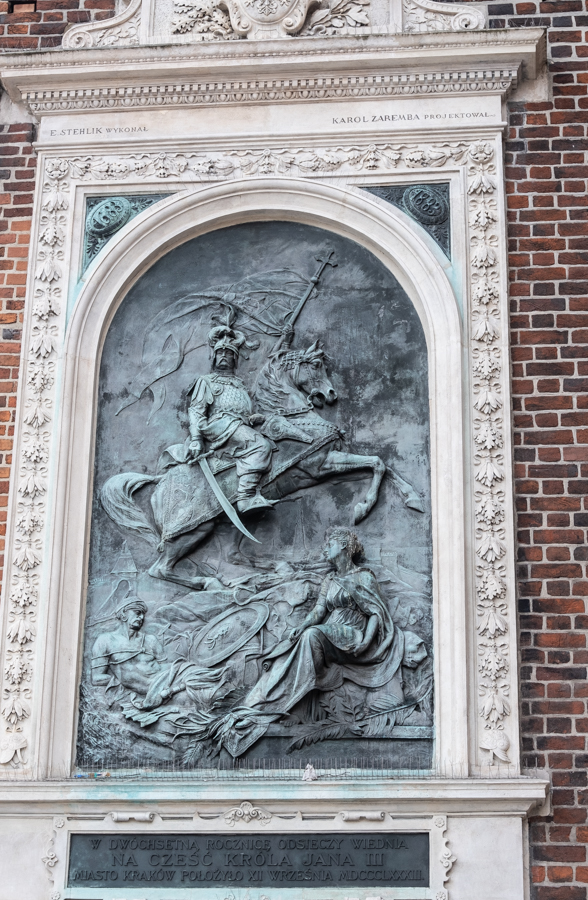
On the wall of the basilica there is this relief of King Jan Sobiecki, one of the great figures in Poland’s history. In 1683 he led an army that broke the Ottoman siege of Vienna, ending repeated attempts by the Turks to advance into central and northern Europe:
39_19
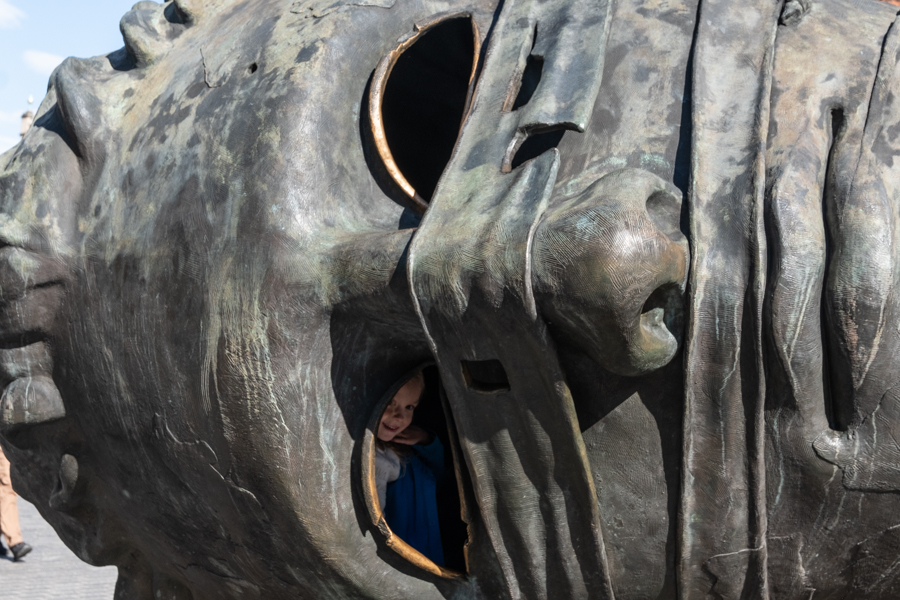
I walked around the big square a bit more, passing the iconic Eros Blindado sculpture. I have photographed it many times, but this time there were children playing inside the big head:
39_20
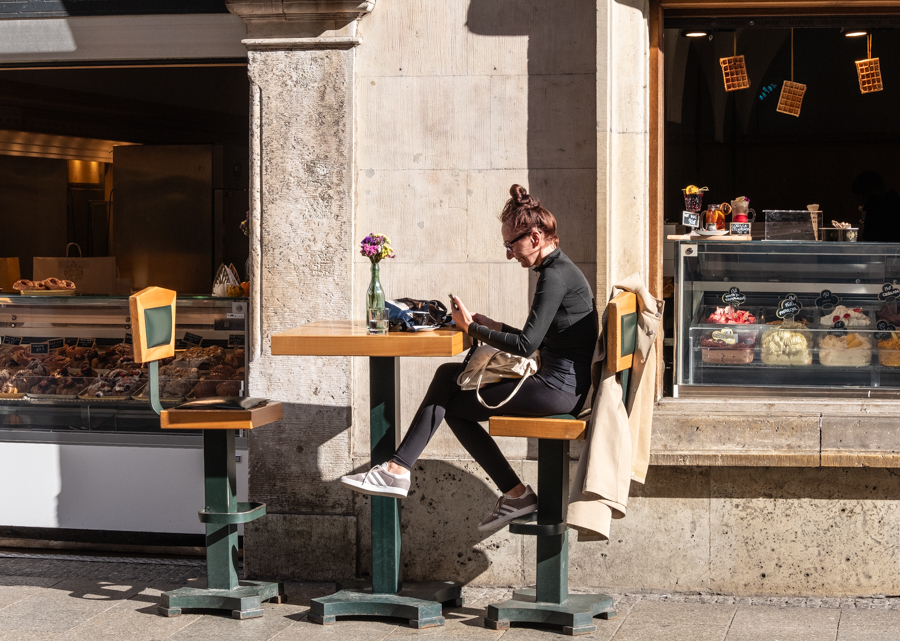
After a good lunch at a Georgian restaurant, I slowly made my way back to the train station, passing this woman enjoying the sunshine on Florianska Street:
39_21
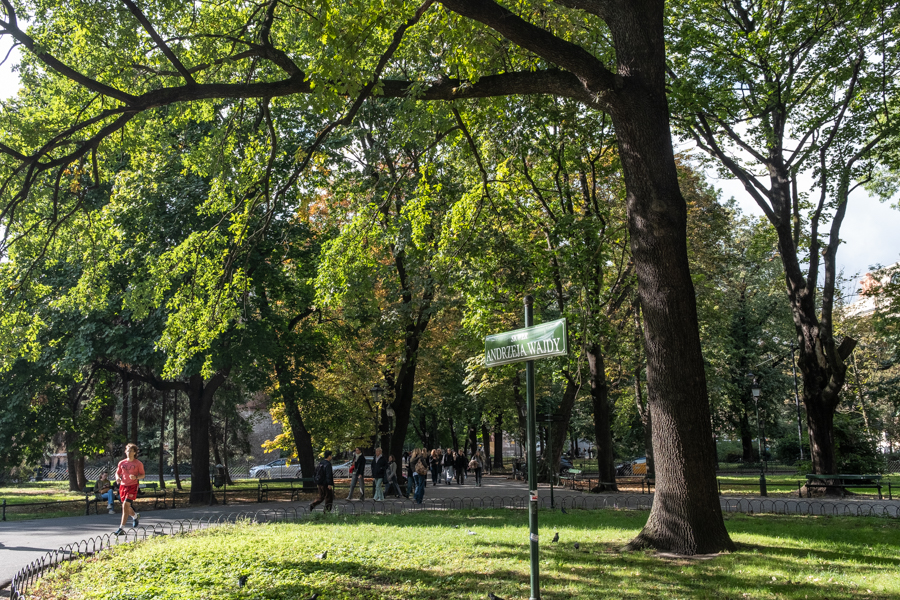
I walked through a nice park with a small square named after the great film director Andrzej Wajda:
39_22
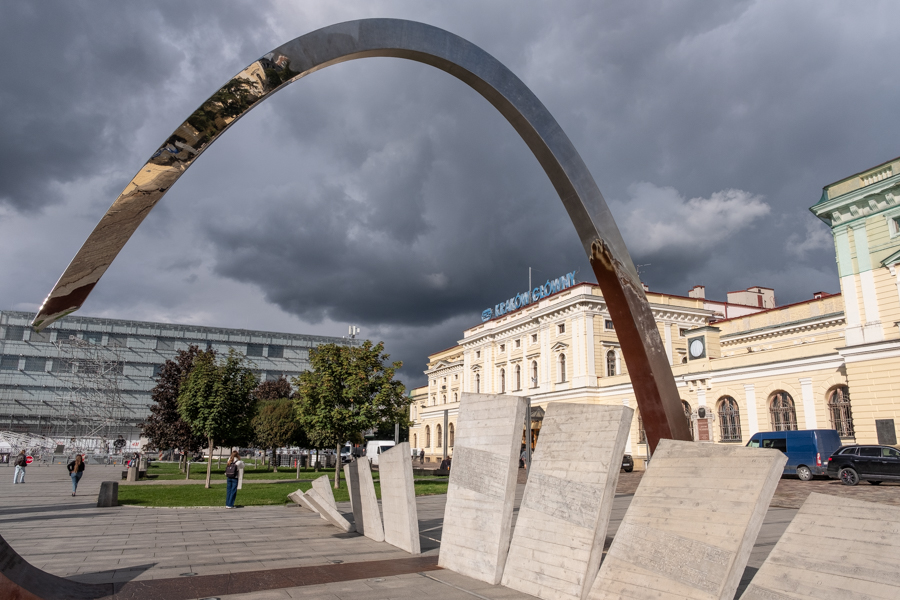
Back at the train station, I took in the monument commemorating the decades of Soviet oppression of Poland and the liberation in 1989. The predicted rainy weather was rolling in, so I was pleased to go inside the station to board my train to Kielce, a trip of about 1 1/2 hour:
39_23
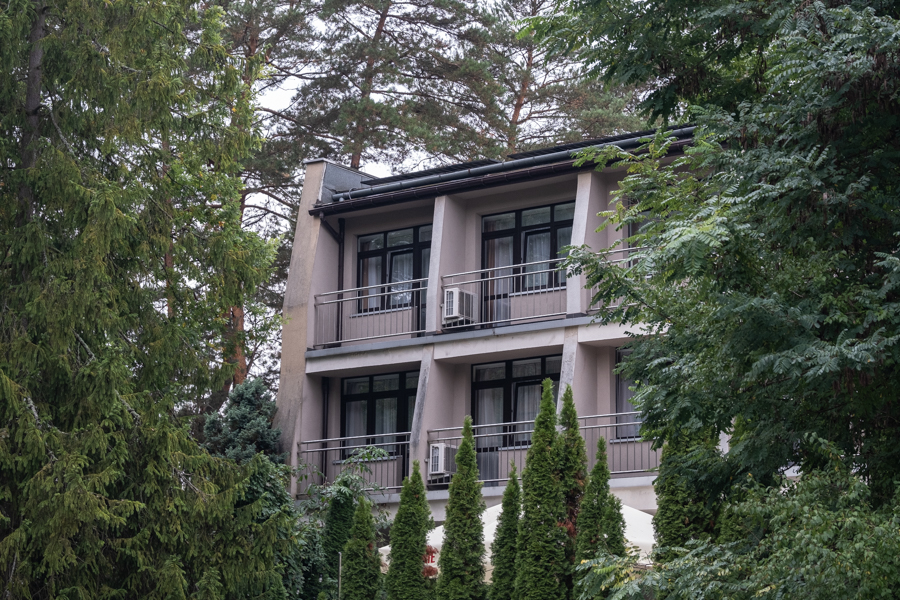
I arrived in Kielce and made my way to Cedzyna, a village with a large lake, some nice woods and a couple of hotels mainly used for conferences, weddings and other such events. This is Hotel Echo where I spent the next two days:
39_24
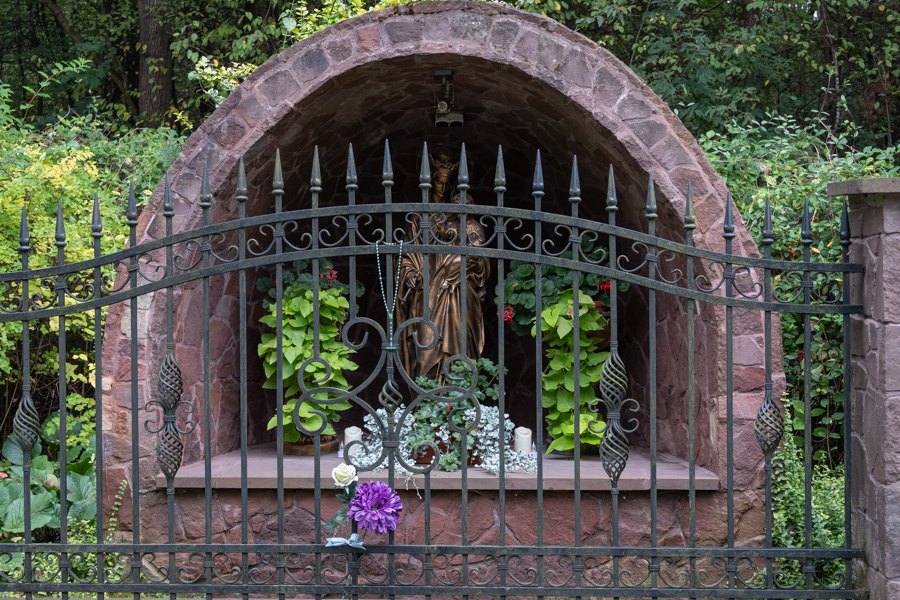
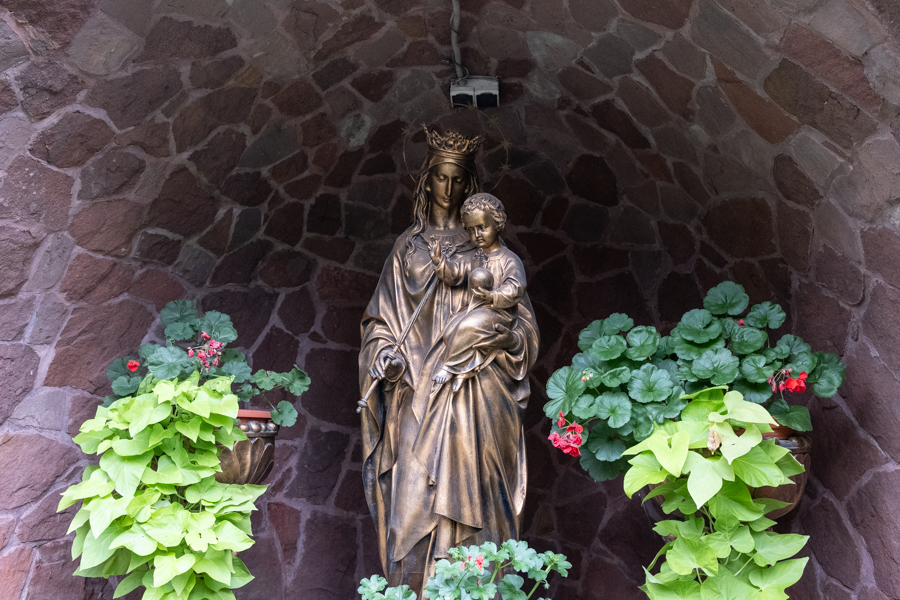
When I was here last year, the weather was nice and I took several long walks around the lake and the village. This year it was cold and rainy, so I mostly stayed at the hotel and the conference, only going for a short walk on Thursday morning, passing this roadside chapel which has always fascinated me:
39_25
39_26
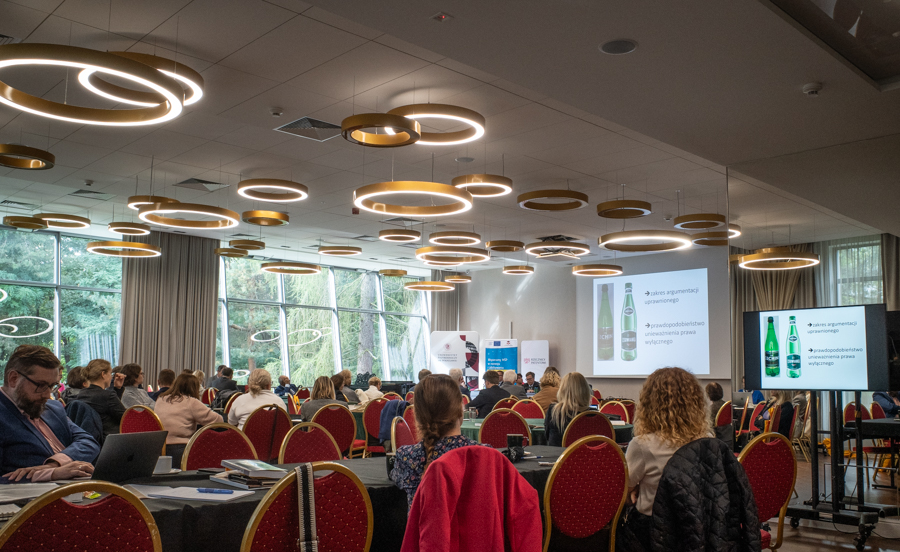
This is the conference room where I spent most of Thursday and Friday:
39_27
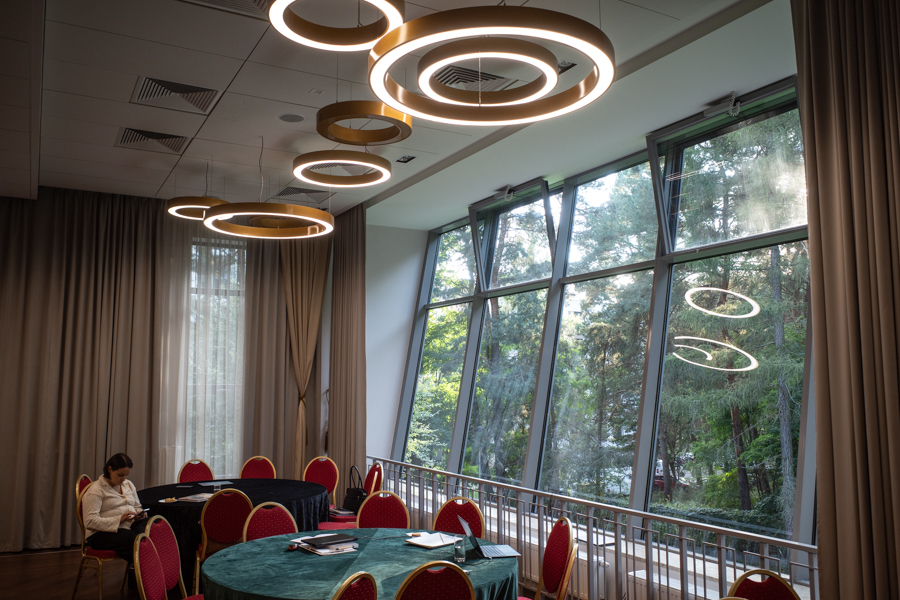
I liked the reflections of the circular lights in the large window:
39_28
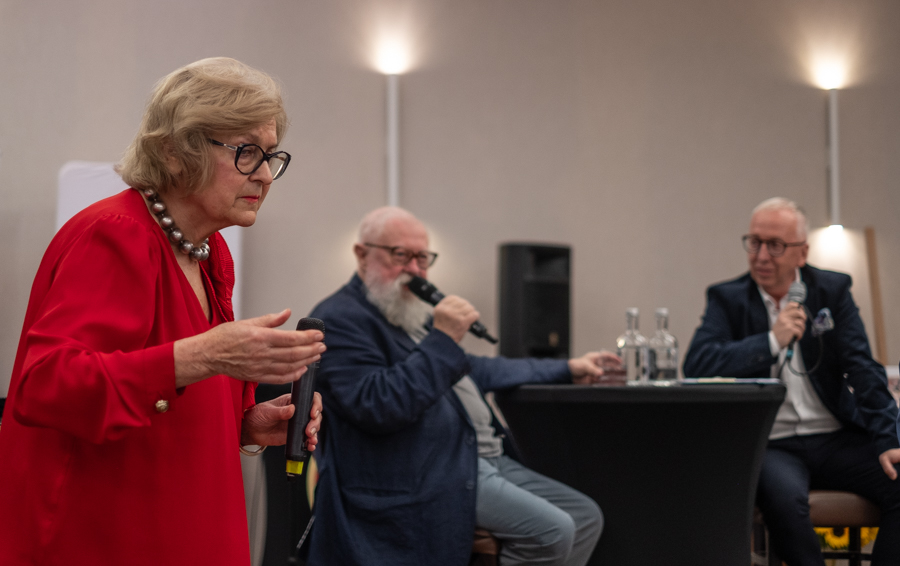
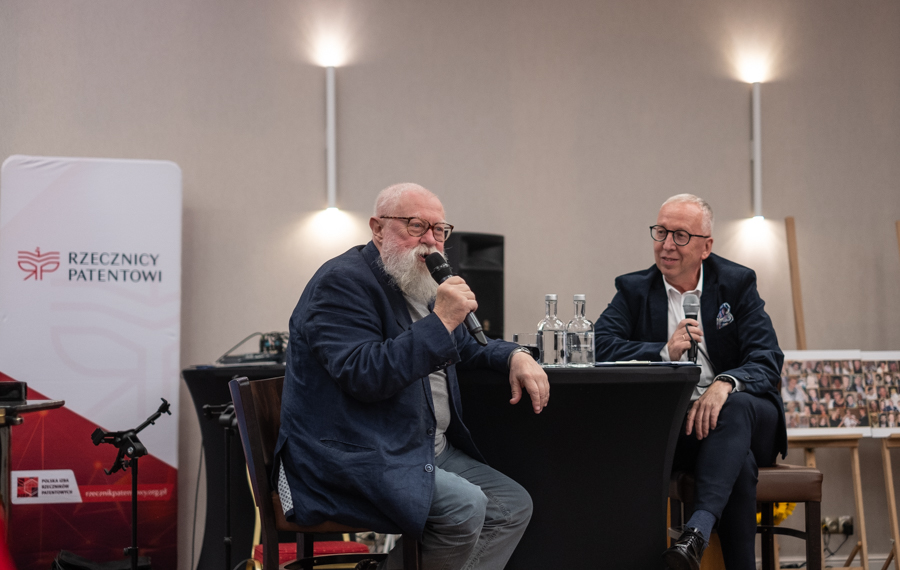
This was the 50th time this week-long event took place, a gathering of Polish IP lawyers and academics. It was the creation of a young law school graduate, Alicja Adamczak (and yes, there was IP and such also during Communist times). Later, she embarked on a long career which culminated in a 20-year stint as head of the Polish Patent Office. Following her retirement about 8 years ago, Ms. Adamczak returned to Kielce and is still an adjunct professor at Kielce Institute of Technology, and, at the age of 78, still organises this conference. Here she is at Thursday night’s dinner, introducing a talk by a well-known professor (whose name sadly escapes me):
39_29
The professor was actually a very entertaining speaker:
39_30
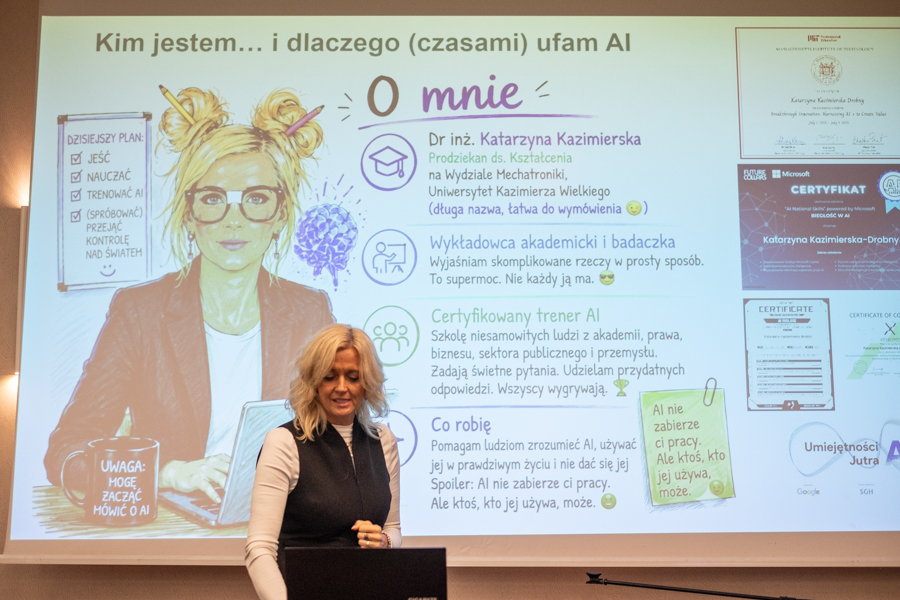
On Friday morning I made my presentation, and then stayed on to listen to the rest of the conference. This was the highlight, a presentation on the use of AI in the legal profession by Katarzyna Kazimierska, a professor at a university in Bydgoszcz, a town in northern Poland. The title of this slide is “who am I and why I (sometimes) trust AI”:
39_31
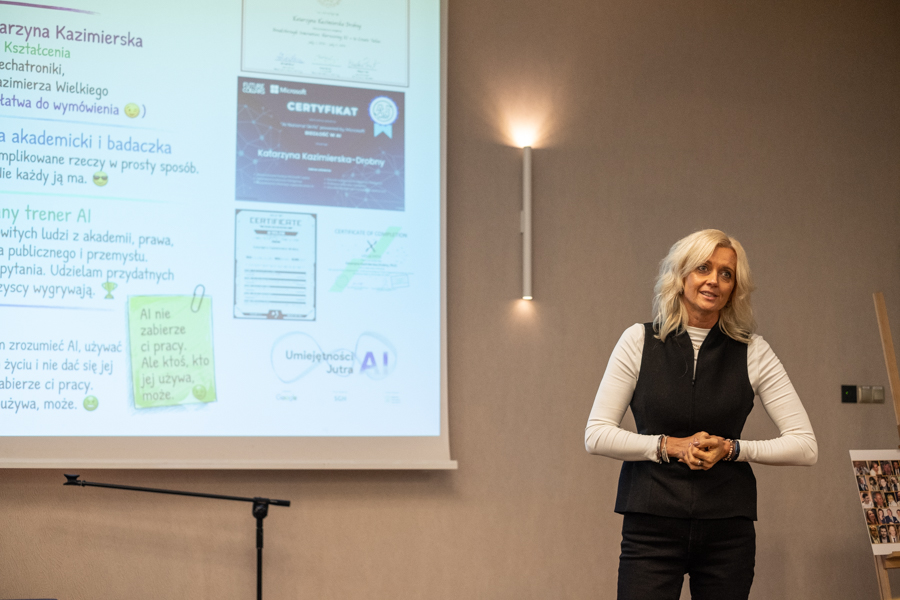
One of the messages on the slide reads “AI will not take your job, but someone who uses it, will”:
39_32
39_33
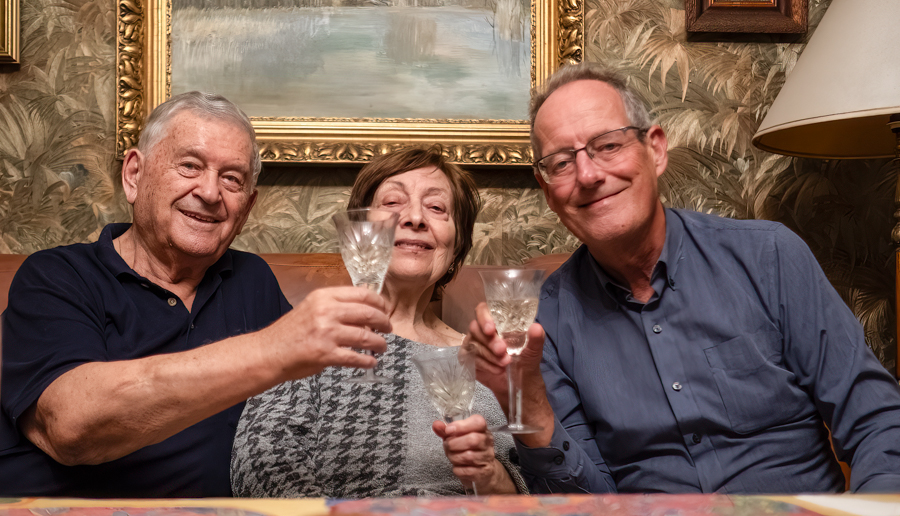
Later on Friday I travelled from Kielce to Wroclaw, 3 hours by train, to spend the weekend with my sister and brother-in-law. I arrived at their apartment around 7 p.m., and we toasted their 58th wedding anniversary, recording the scene thanks to the camera’s self-timer:
39_34
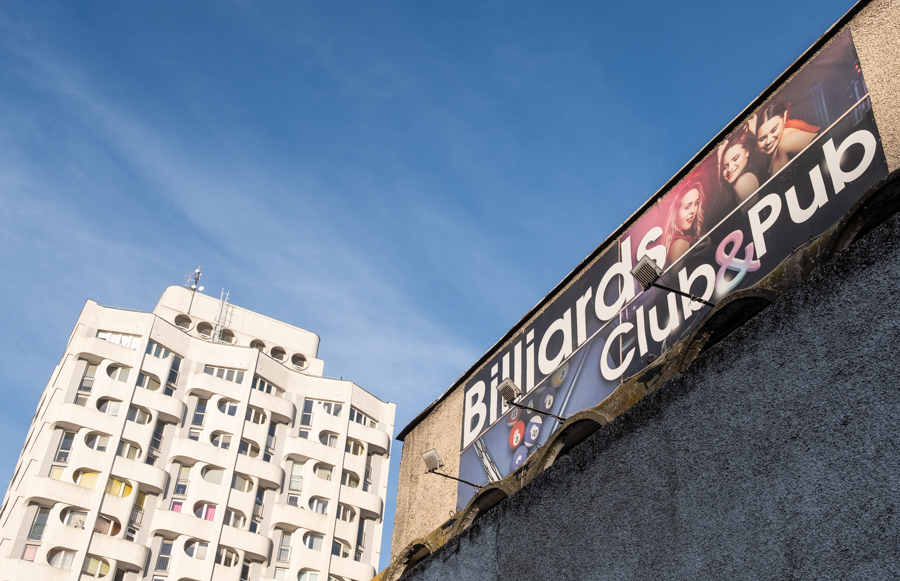
On Saturday morning I went for a walk as is my habit. I love those early morning walk when there is little or no traffic. This “billiard club” used to be an internet café where I used to go when visiting my sister in the 1990s, before she got fibre in her apartment. Now that everyone has internet at home, the place has reinvented itself as a low-end pool bar:
39_35
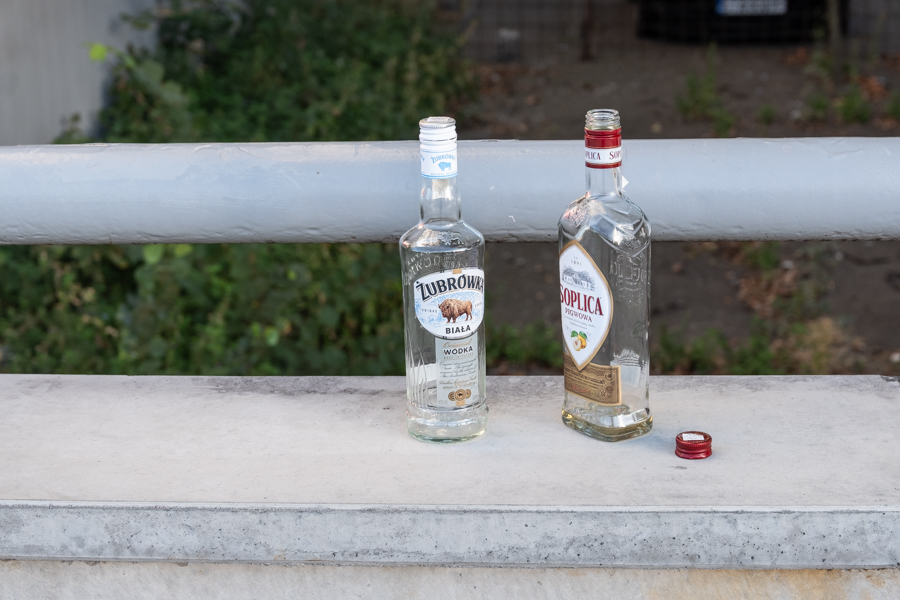
There are some bums who habitually hang around Plac Grunwaldzki where my sister lives. They are harmless. During the morning walks, I often see evidence of their drinking during the night:
39_36
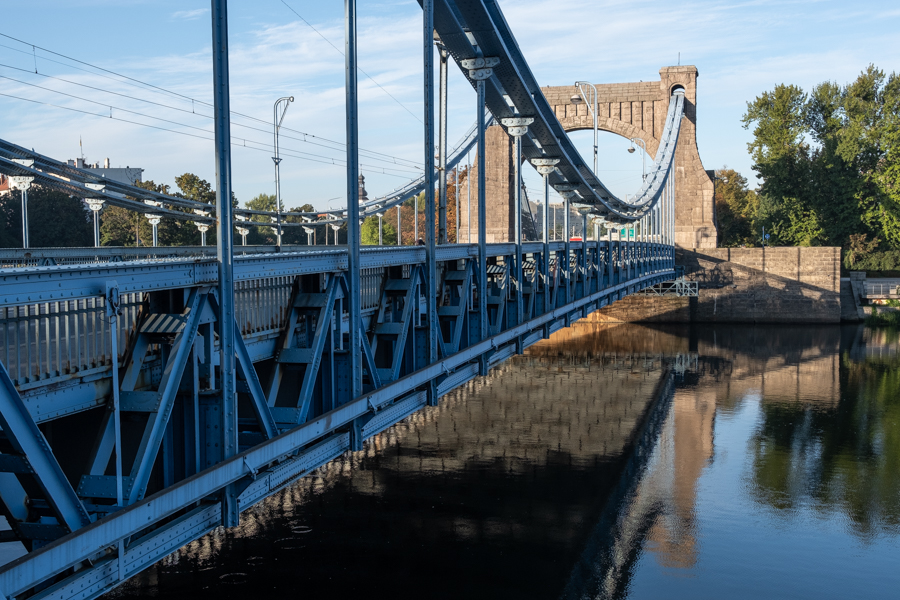
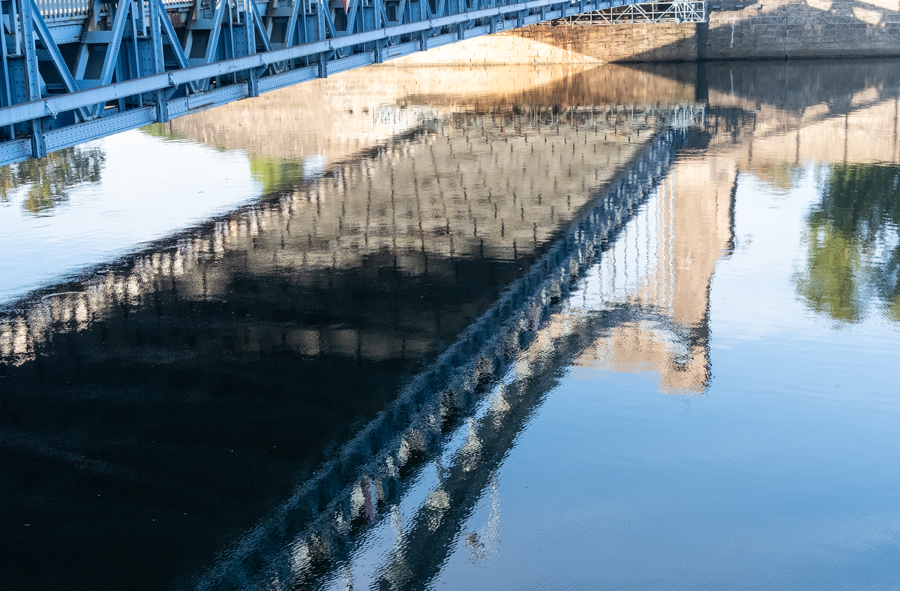
This is my favourite scene in my sister’s neighbourhood, the iconic Grunwaldzki Bridge (opened as Kaiserbrücke in November 1910, when Wroclaw was the German city of Breslau, and yes, Kaiser Wilhelm came to the opening):
39_37
I love looking at the bridge and its reflections in the Odra river (“Oder” in German):
39_38
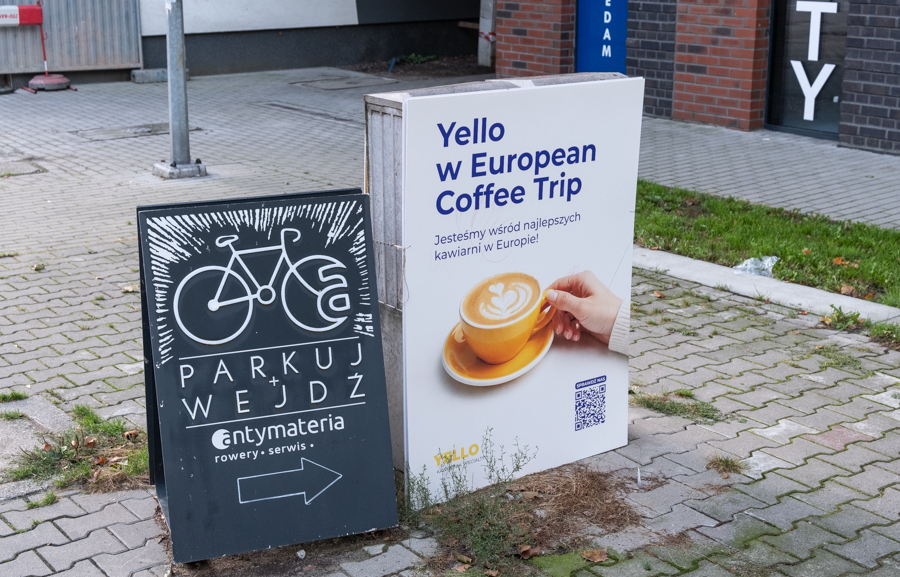
Near my sister, on the banks of the Odra, there is the main campus of the Technical University of Wroclaw, in effect the departments of math, physics, chemistry, computer science etc. of the city’s main university in the centre. The campus has no student housing; most of the students live in the surrounding areas, either renting apartments on the private market or a room in a dedicated student housing complex about 1 km away. As a result, the campus is pretty deserted on weekends when there are no classes. However, I did see some evidence of services catering to a typical student’s needs–coffee and bicycle repair:
39_39
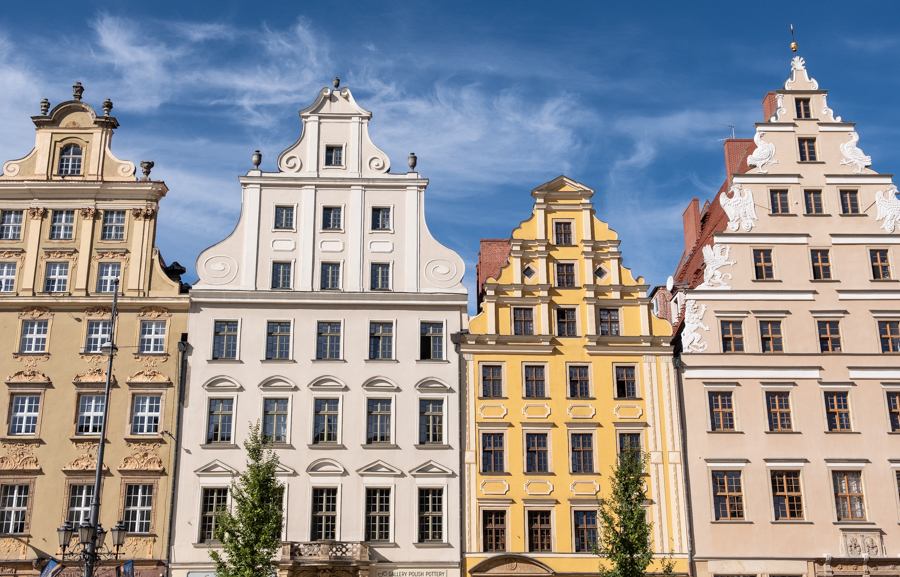
After lunch, I took the tram to Rynek (same name as in Kraków, since it simply means “market square”, and every town has one). The weather was nice, and the townhouses (all reconstructed after the destruction of WWII) were beautiful in the sunshine:
39_40
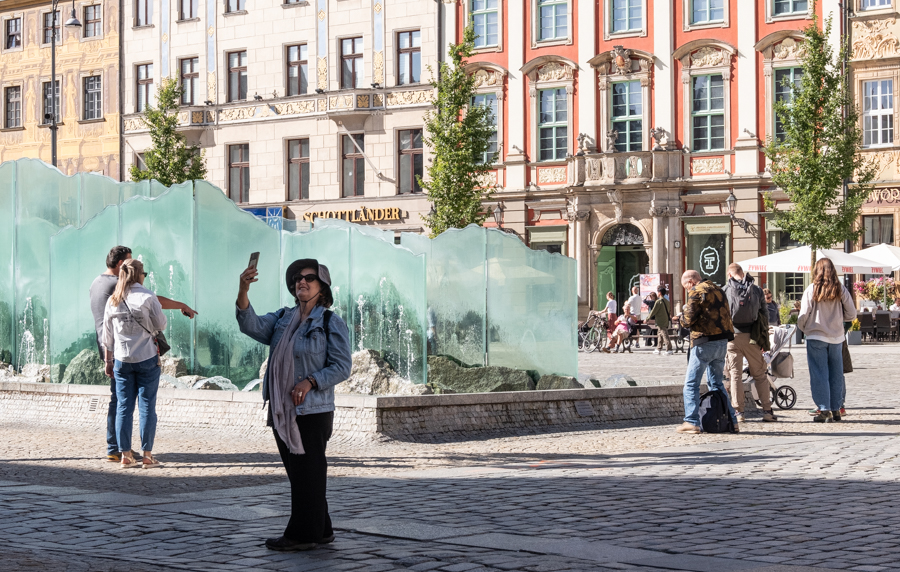
There were many people out and about, both locals and tourists:
39_41
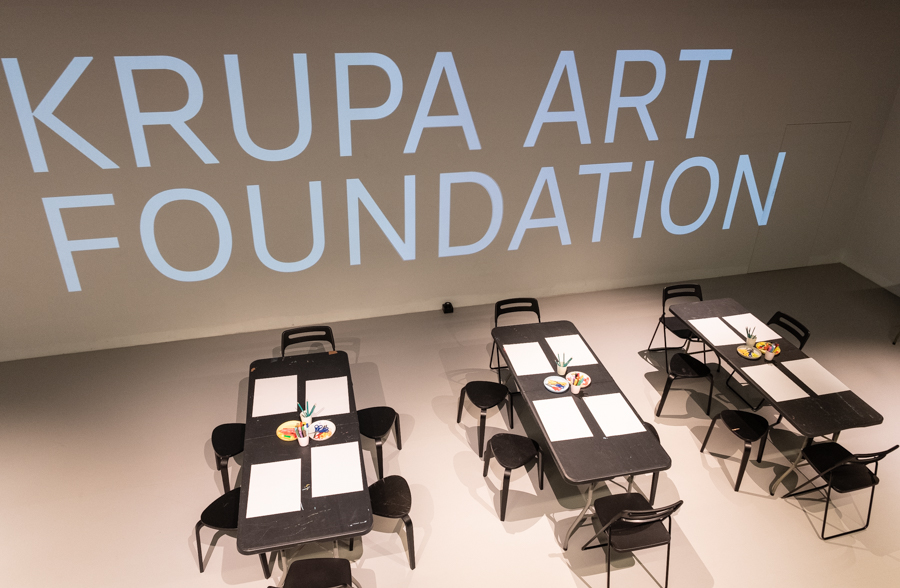
I noticed a sign advertising an art exhibition in a gallery I had not seen before, so of course I went inside:
39_42
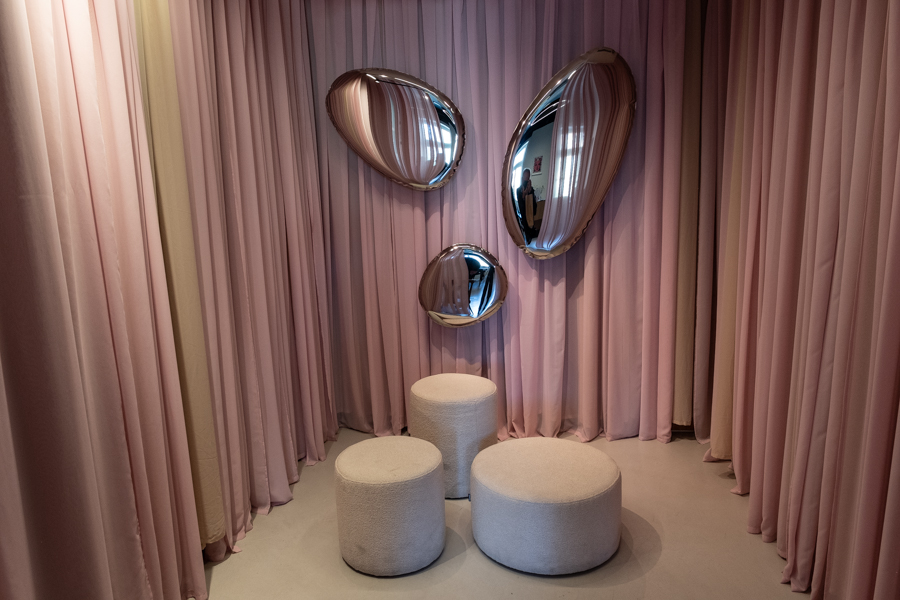
There was an exhibition of photos of Marilyn Monroe by Milton Greene, but I found the rest of the collection more interesting:
39_43
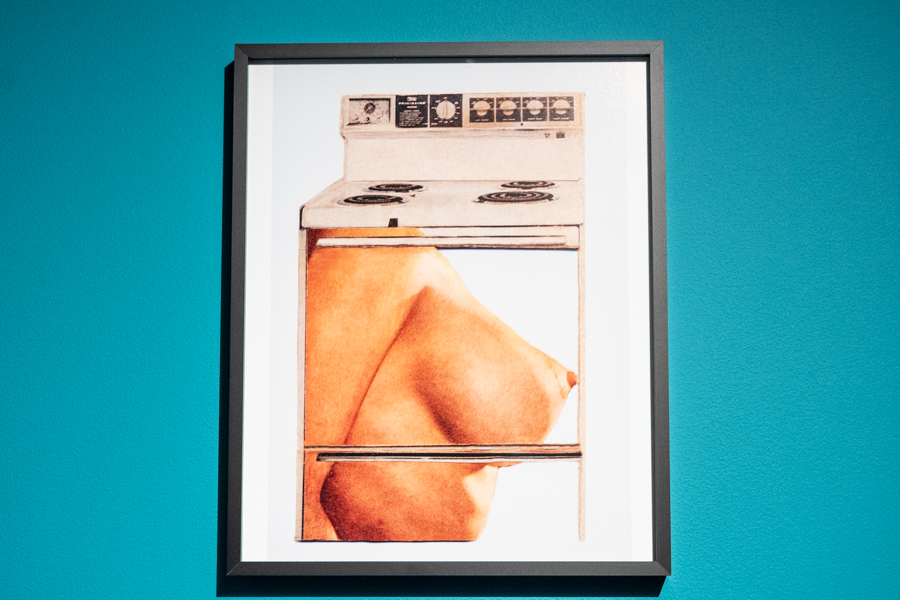
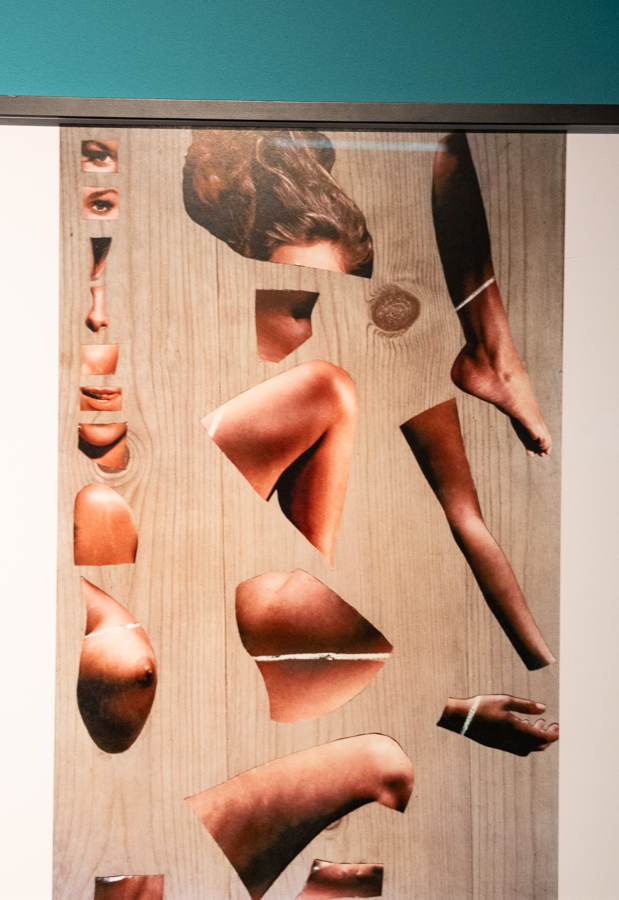
There was a small exhibition on the theme of objectification of women, with some striking images:
39_44
39_45
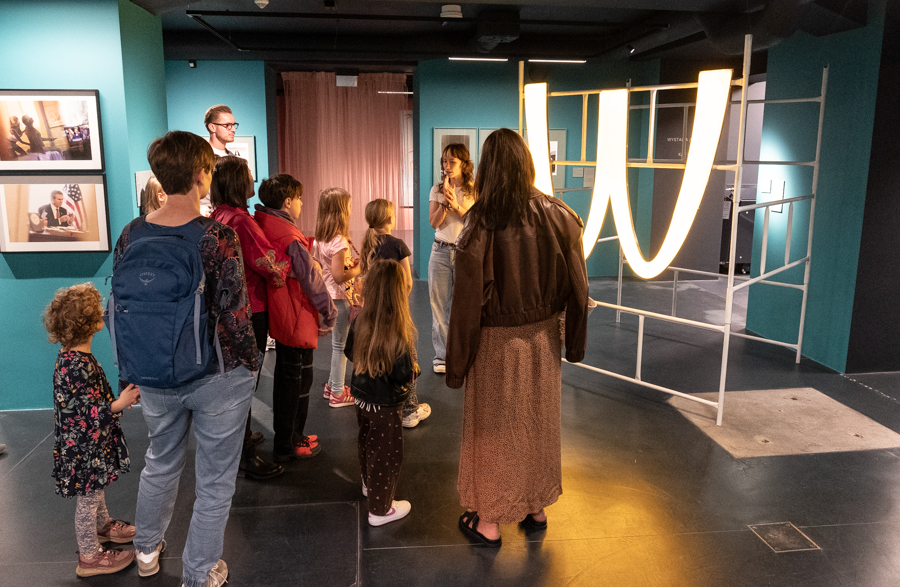
A group of children, being exposed to modern art:
39_46
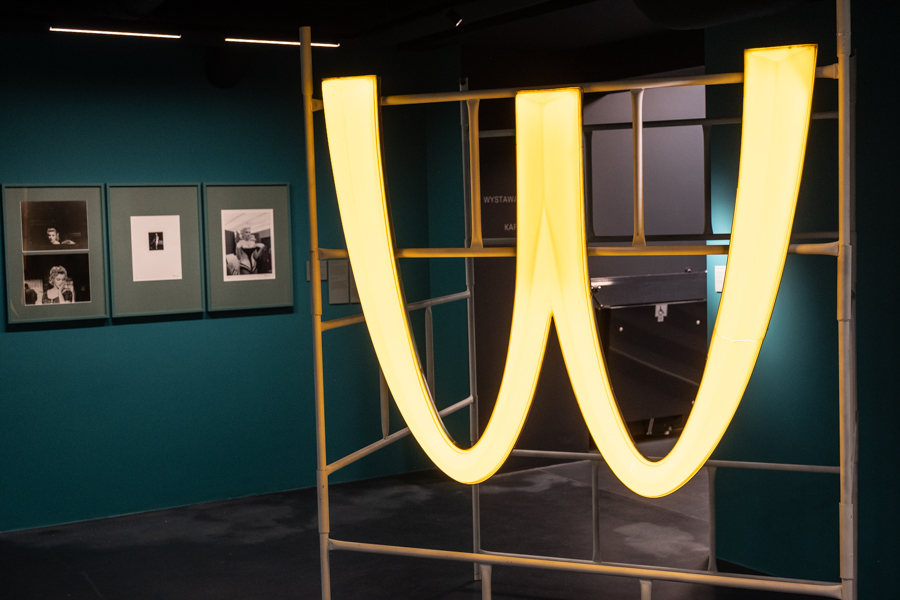
The inverted Golden Arches made me think of breasts, perhaps inspired by image 43 above:
39_47
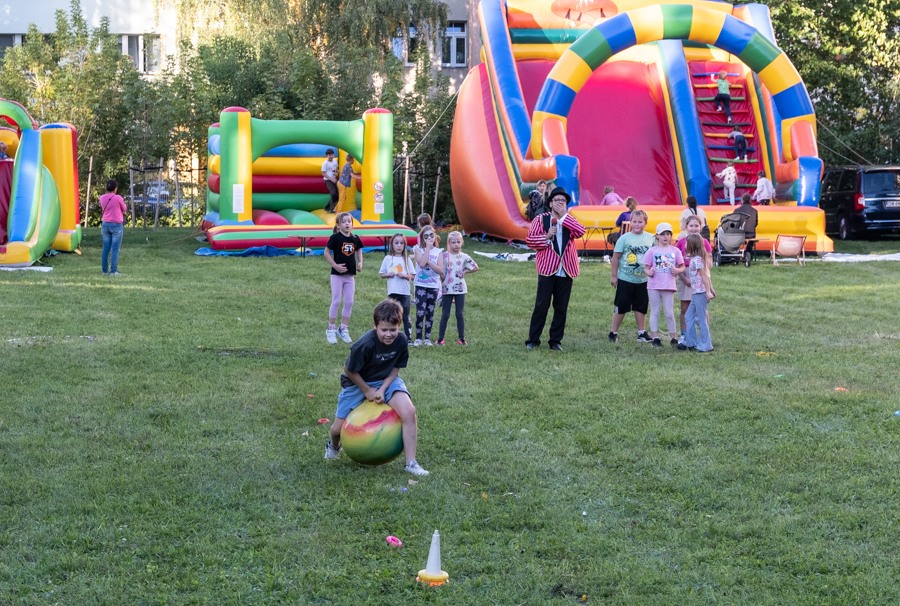
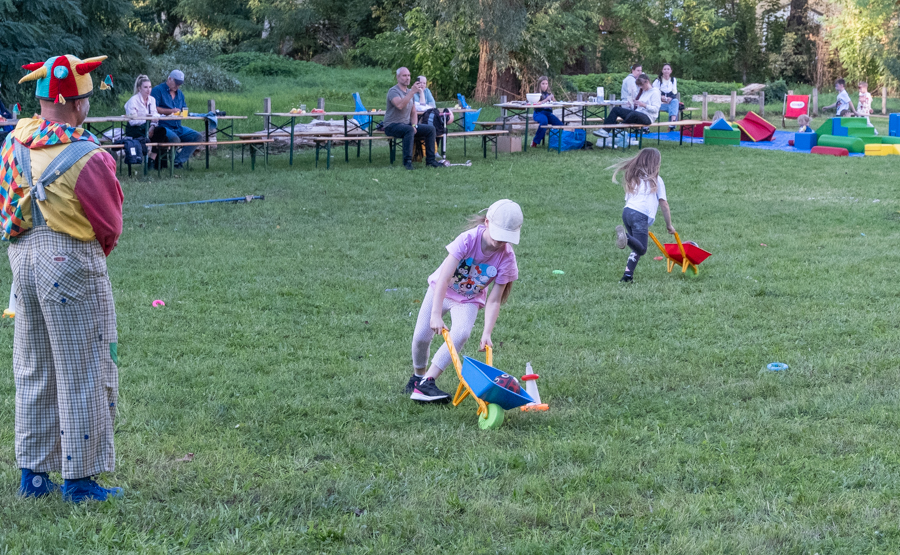
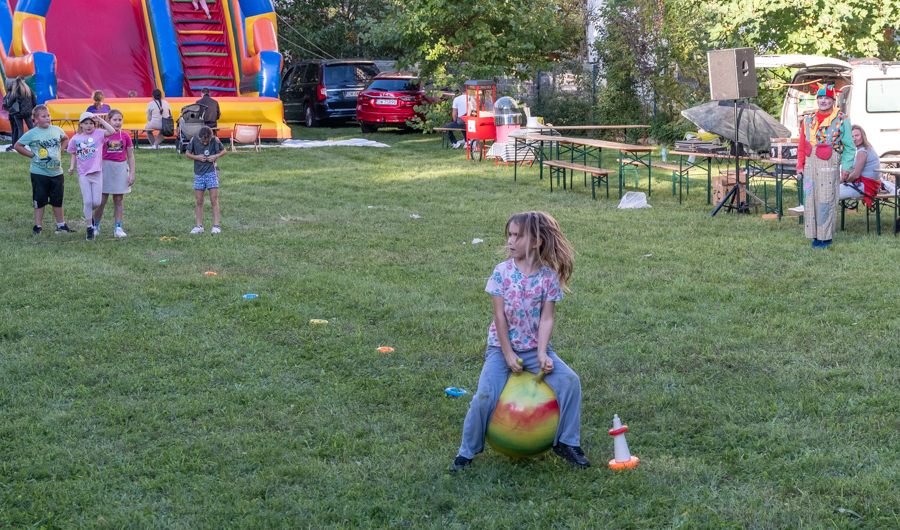
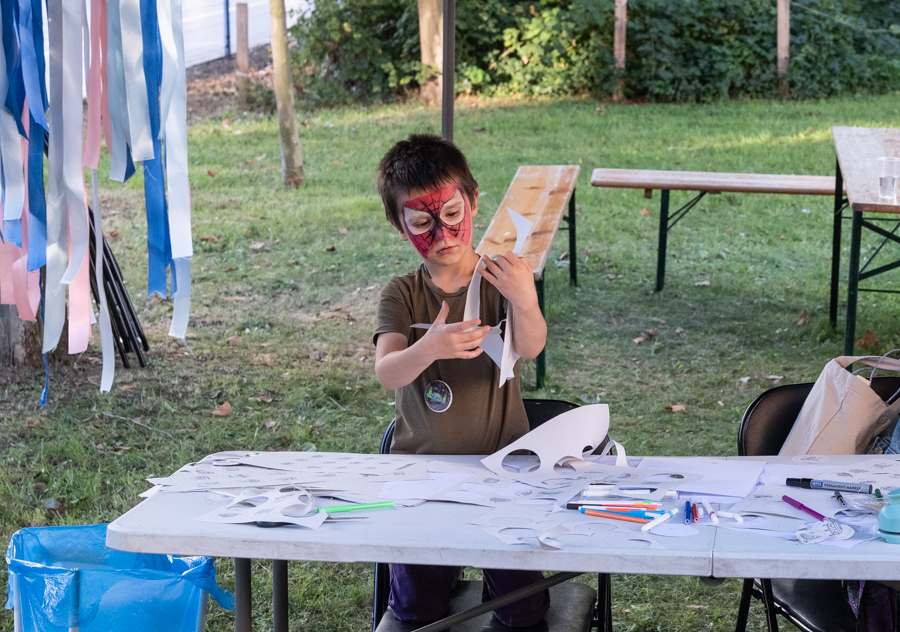
I took the tram back to Plac Grunwaldzki and stumbled across a neighbourhood event in a small park on the edge of the Grunwaldzki Campus. I have not seen this kind of activity in Wroclaw before; perhaps with the increasing wealth the community spirit is also growing:
39_48
39_49
39_50
39_51
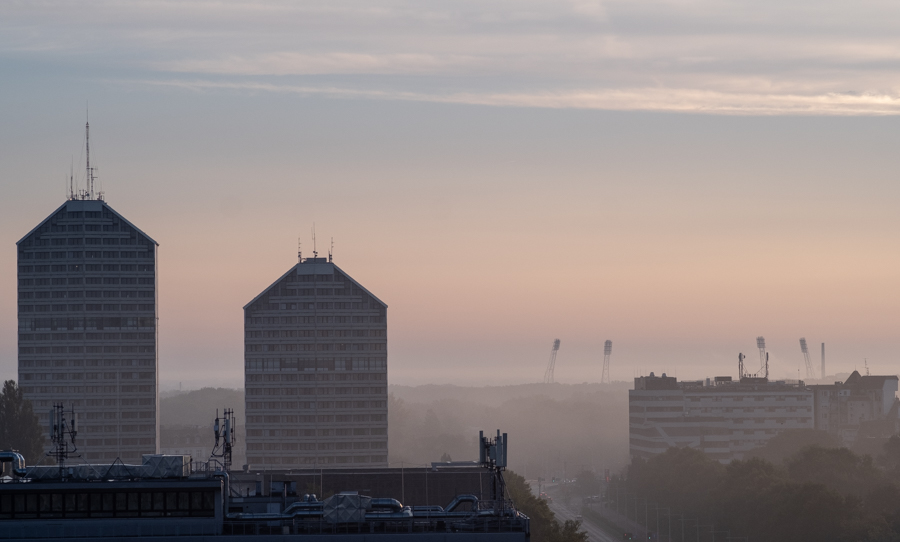
I woke up to a nice, hazy sunrise on Sunday morning. This is the view from my sister’s apartment with a 90mm lens, showing the “Pencil and Chalk” student housing complex on the left and the main stadium in the distance:
39_52
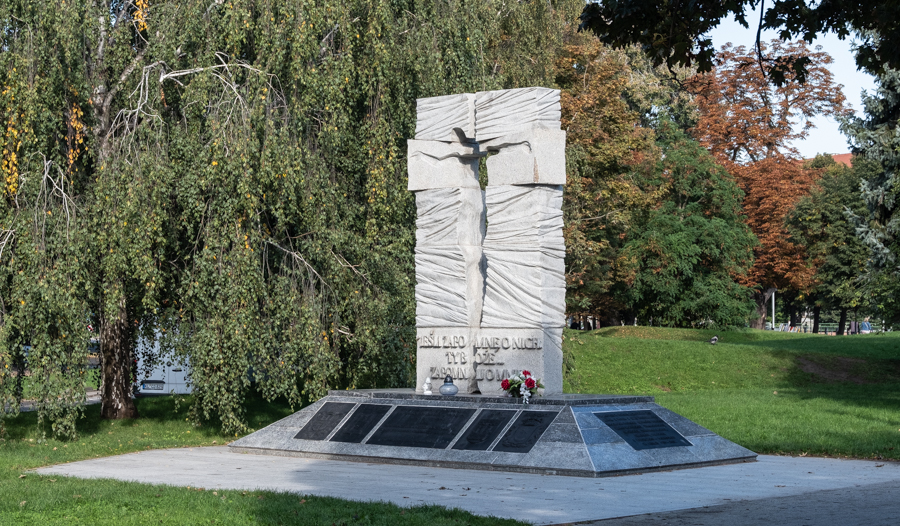
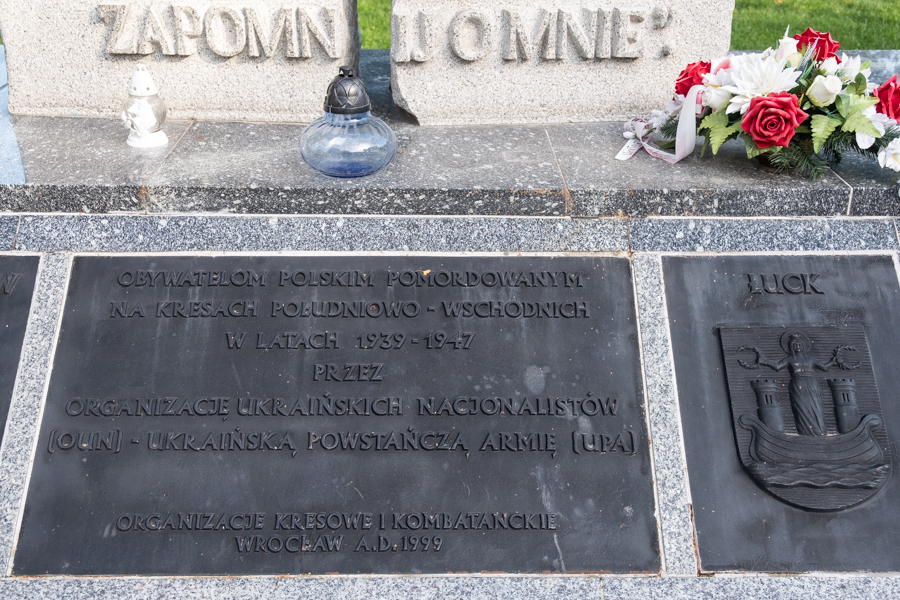
My flight home was in the evening, so I had time for another walk, this time along the river Odra. I passed through a park and noticed a monument that I had not studied before:
39_53
On closer inspection, it was a memorial to Polish victims of Ukrainian right wing nationalist group UPA during WWII and in the couple of years that followed. These were turbulent times, with the Soviet Union gobbling up the eastern third of Poland (much of today’s Ukraine and Belarus) and on the other side annexing large parts of eastern Germany (including Wroclaw) to Poland, in effect moving the country a couple of hundred km to the west. We have a lot of complex and painful history in this part of Europe. Today, Poland is among the staunchest supporters of Ukraine and hosts more Ukrainian refugees than any other country:
39_54
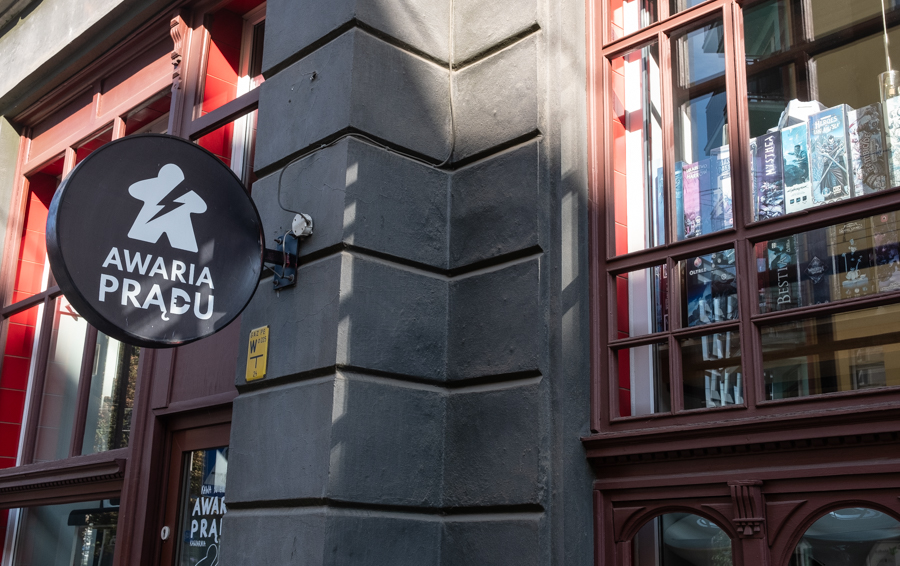
Walking back to my sister’s apartment, I smiled when passing this place. The photo is not particularly good, but the name is a great example of someone having a bright idea when naming this traditional board game café/shop. It is called “Power Outage”:
39_55
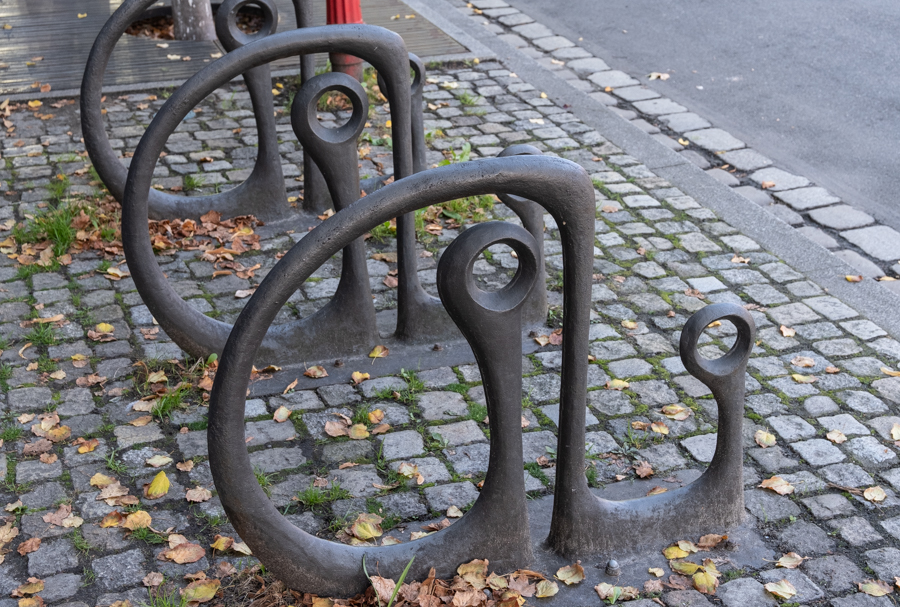
Poland is a country with an increasing reputation for good design, and this bicycle rack outside a hotel near the cathedral is a good example. It is both visually attractive and very functional:
39_56
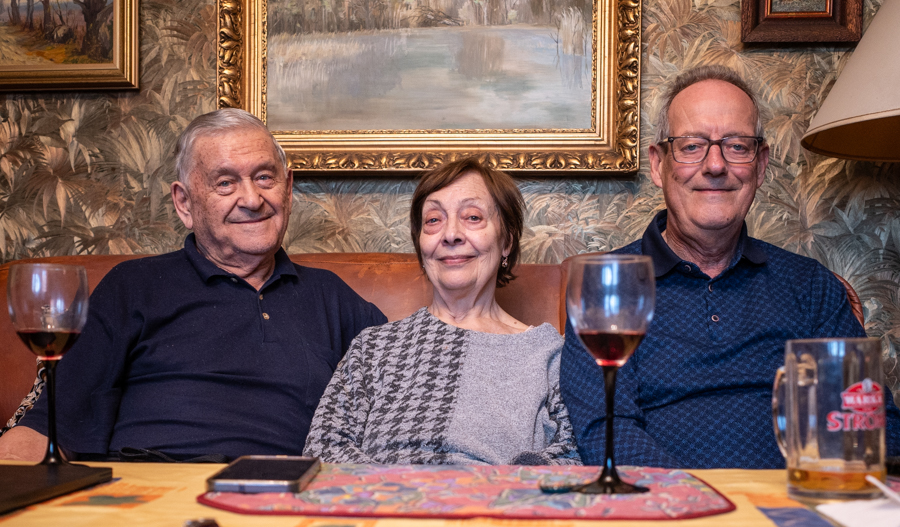
Finally, it was time to say goodbye. The taxi taking me to the airport was arriving at 6:45 p.m., and just before going downstairs, we made the usual farewell selfie. It was a short visit, but they were happy to see for the third time this year:
A full gallery from Kraków can be seen here, and there is also on of Wroclaw here.