It was a nice week, with some nice events in the early part of the week, followed by a 3-day trip to Wroclaw in Poland to visit my sister following a leg surgery she had earlier in the week.
25_1
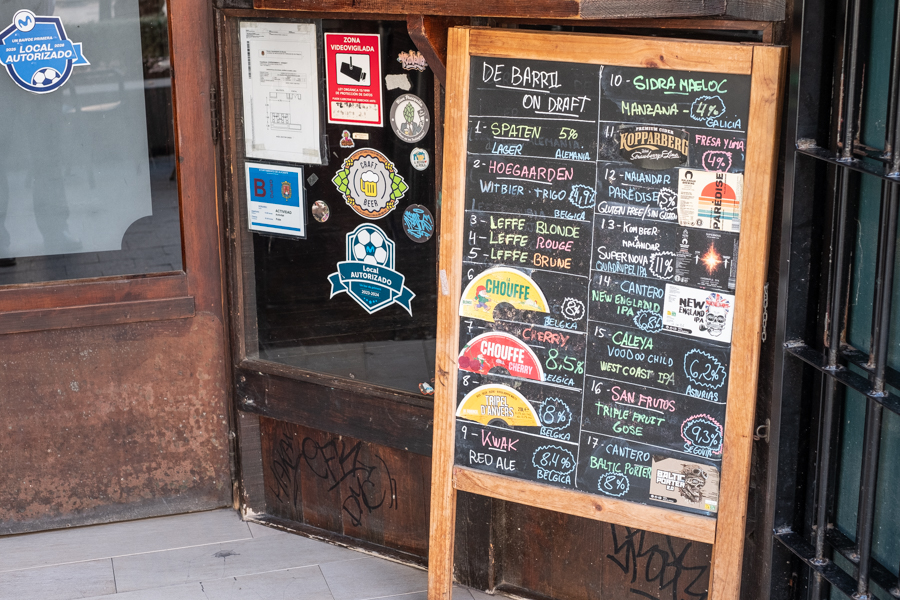
I start with a couple of local details. The beer menu of my favourite bar Malatesta:
25_2
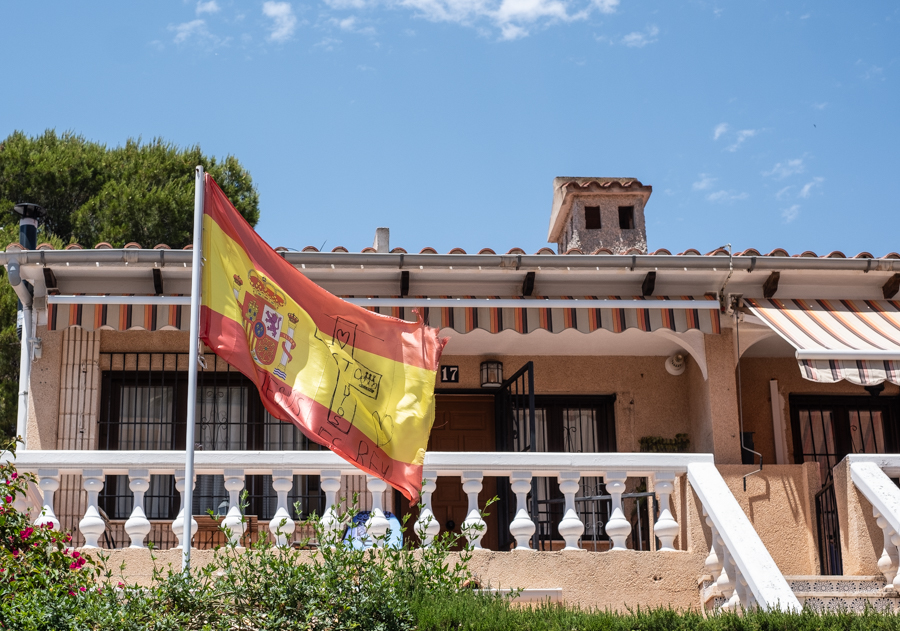
A Spanish flag in our neighbourhood, embellished with Christian messages. While Spain is a Catholic country, such overt displays of faith are rare here:
25_3
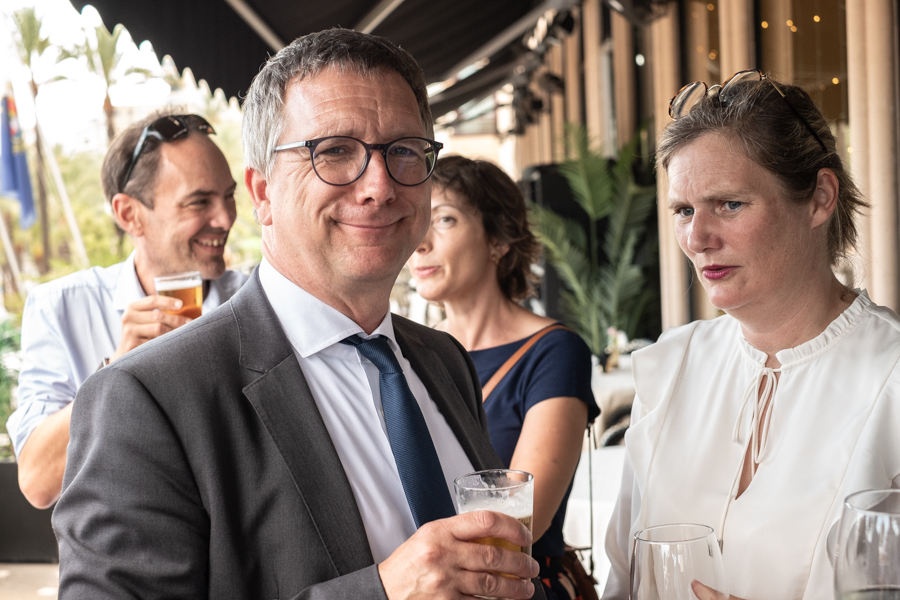
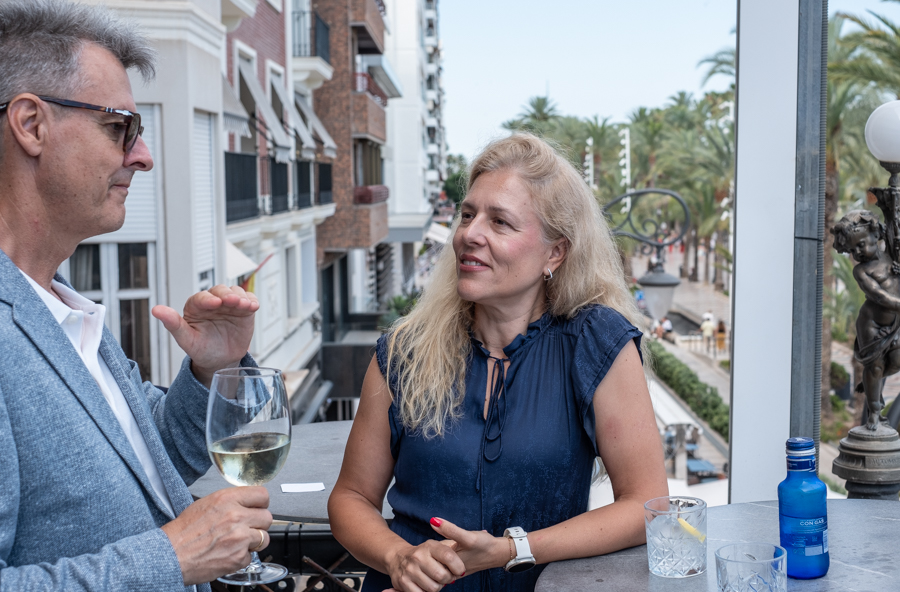
On Monday afternoon, two colleagues who have recently been elected to our Boards of Appeal held a small reception at a restaurant in the centre to celebrate. I was one of the invitees, and of course my camera was with me, starting with Sven and Antje:
25_4
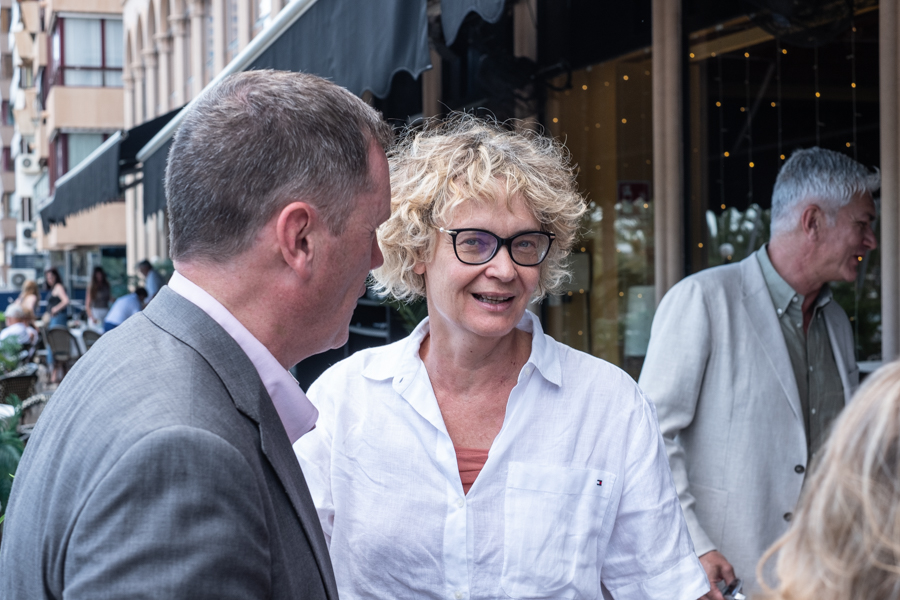
Alexandra:
25_5
Katarina:
25_6
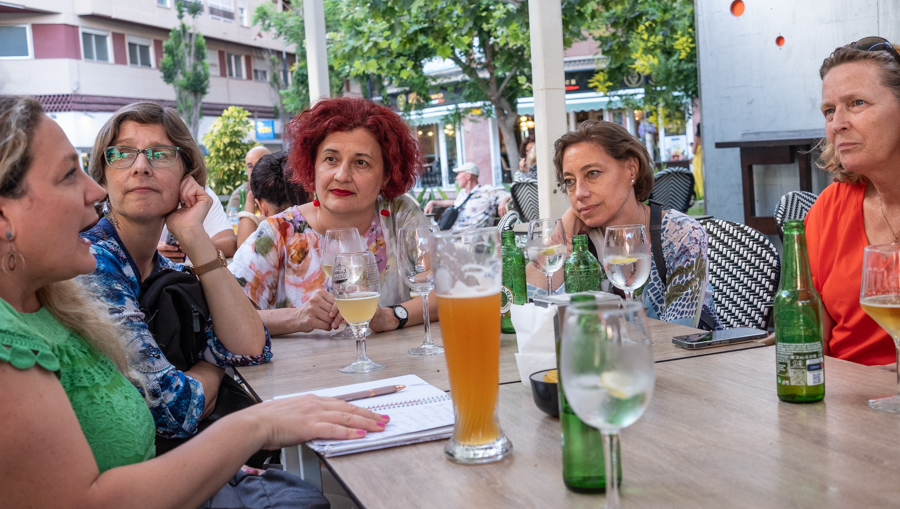
On Tuesday evening, the WeRead book club held its monthly meeting, this time at an outdoor bar on Plaza Seneca:
25_7
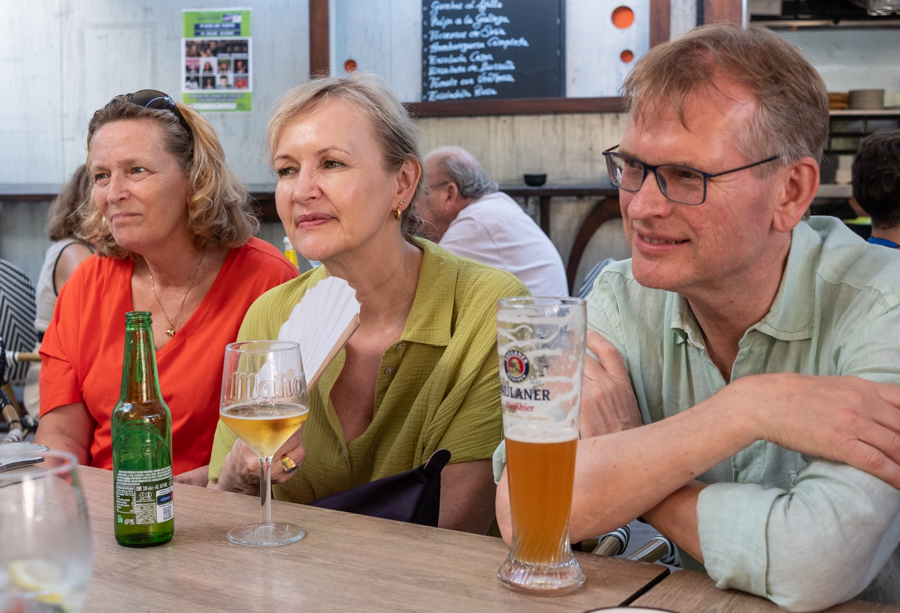
Carolina, Ursula and Harrie listen:
25_8
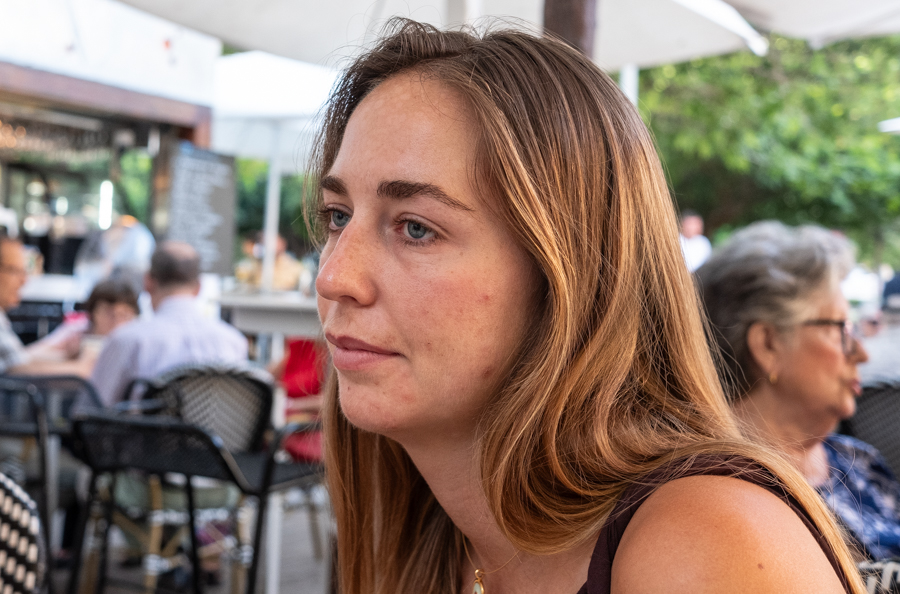
Our Belgian trainee Charline:
25_9
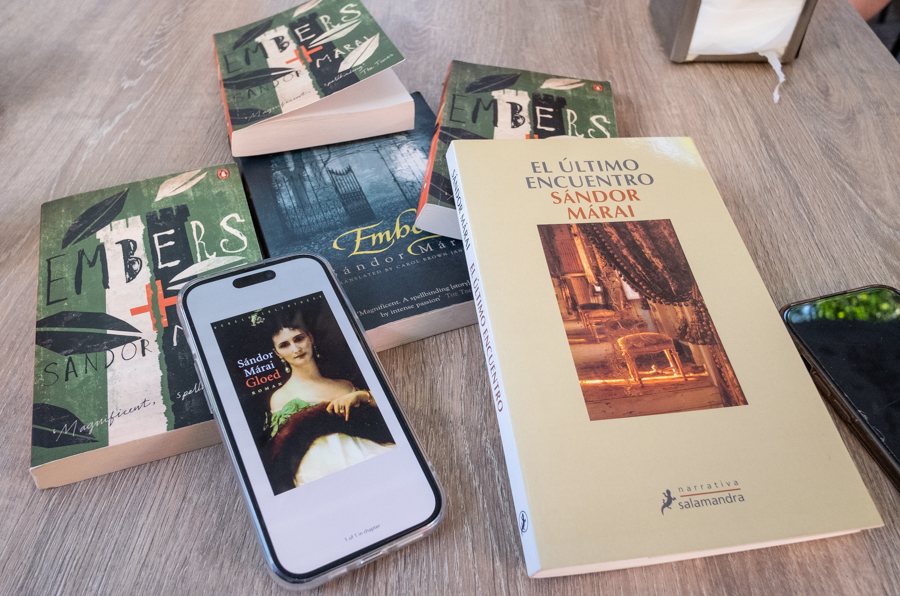
The book of the month was Embers by Hungarian writer Sándor Márai. We had versions in English, Spanish and Dutch:
25_10
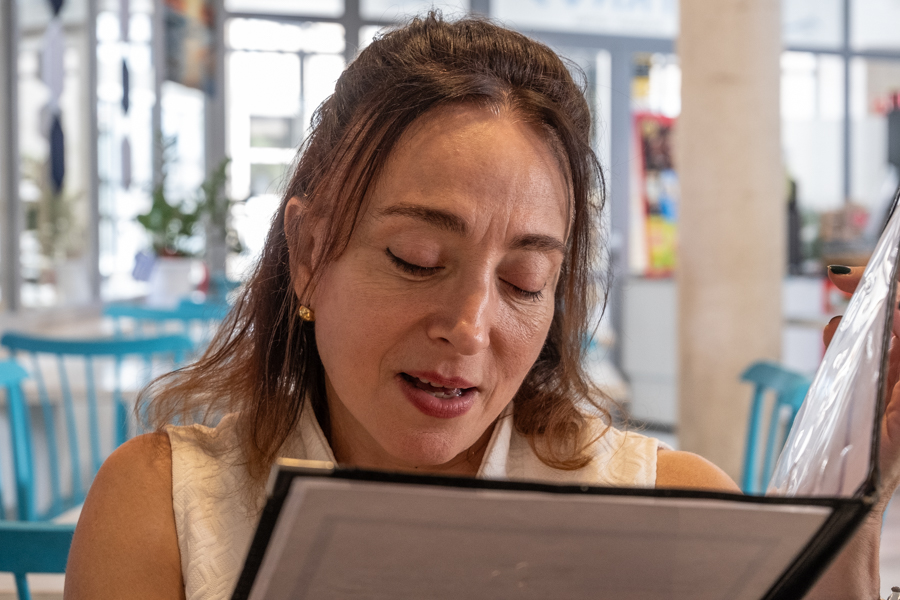
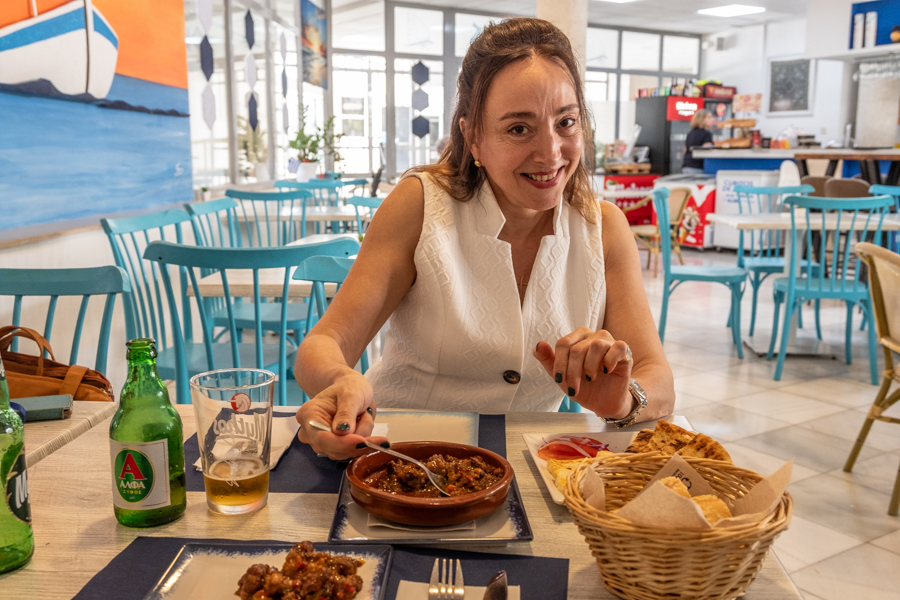
On Thursday, Eri and I went for lunch at a Greek restaurant called Kyknos. This was Eri’s treat, so I let her make all the decisions:
25_11
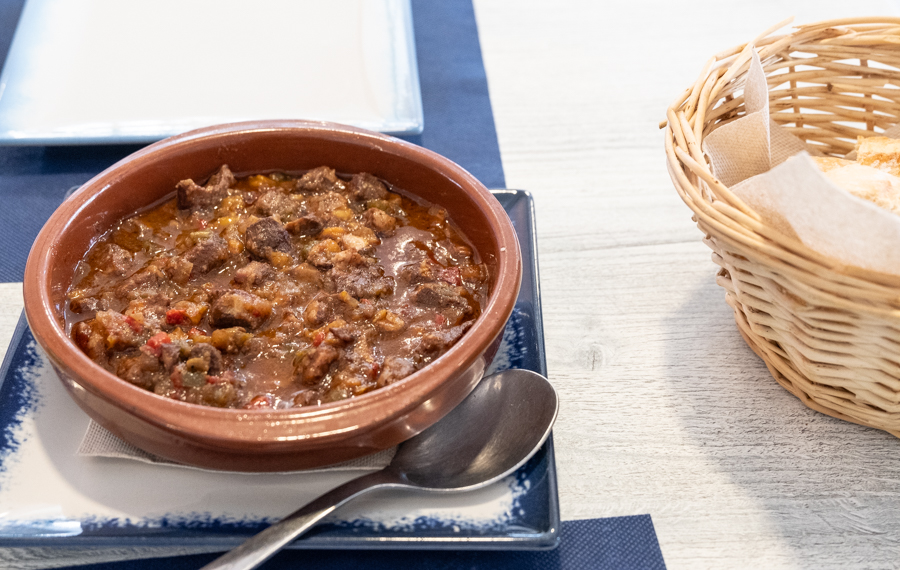
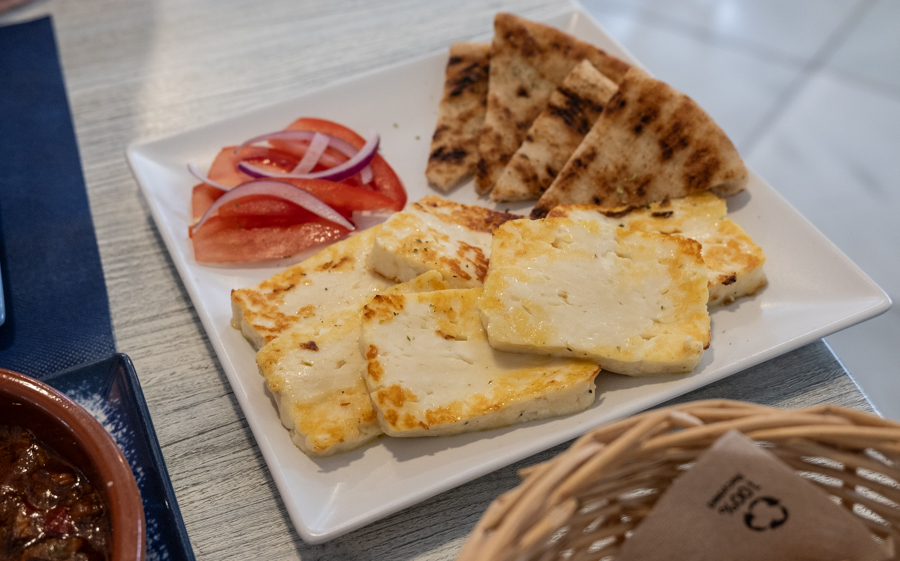
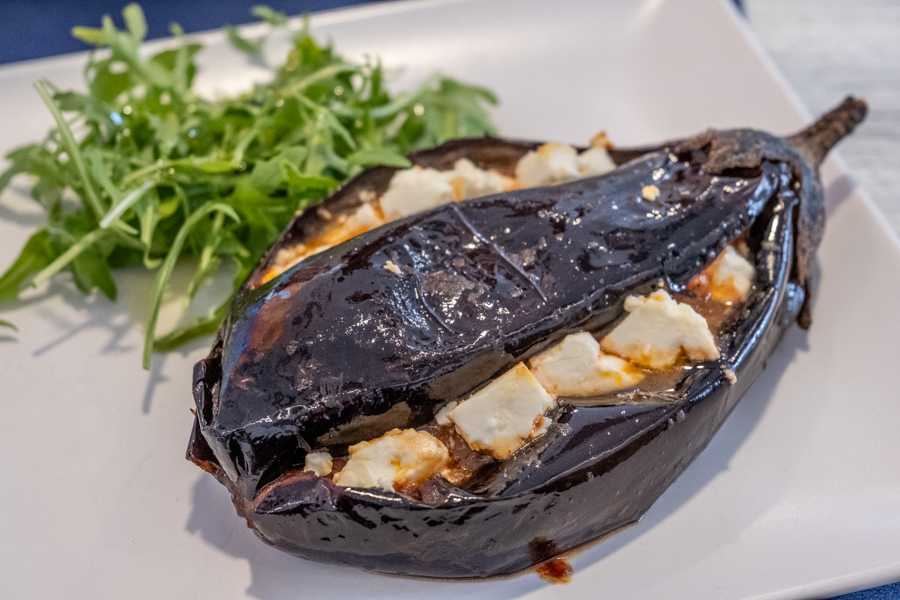
Eri chose several appetisers and a main, all delicious. The restaurant is owned by a Greek family and is fully authentic:
25_12
25_13
Eri also insisted on serving me:
25_14
25_15
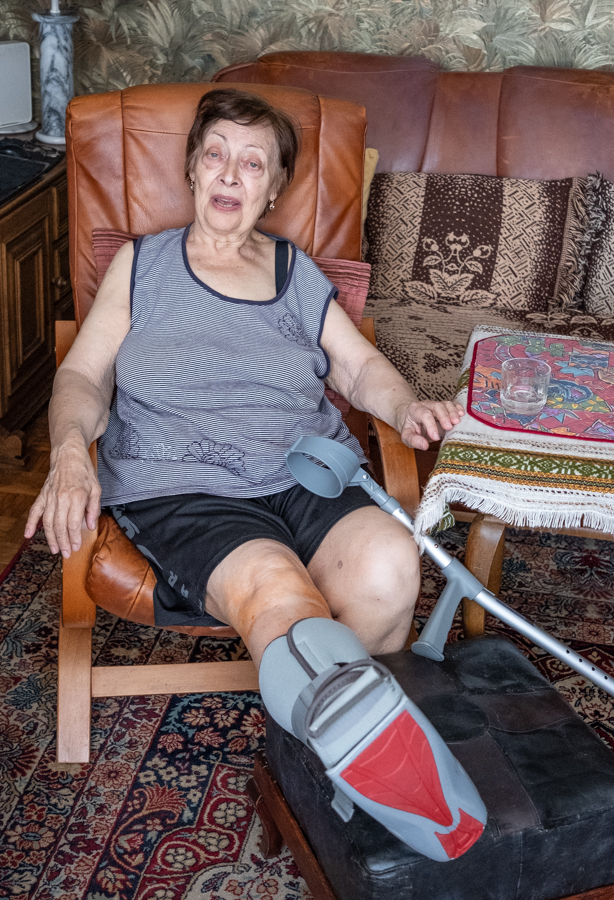
Early Friday morning I flew to Wroc?aw to spend the weekend with my sister who had been discharged from hospital the preceding day following surgery on her ankle. I decided at the last minute to spend the weekend with her for emotional and practical support. Taking a 6 a.m. 3-hour flight was rough but it meant that I was in her apartment before 10 a.m. and could take the first picture of her new fashion statement:
25_16
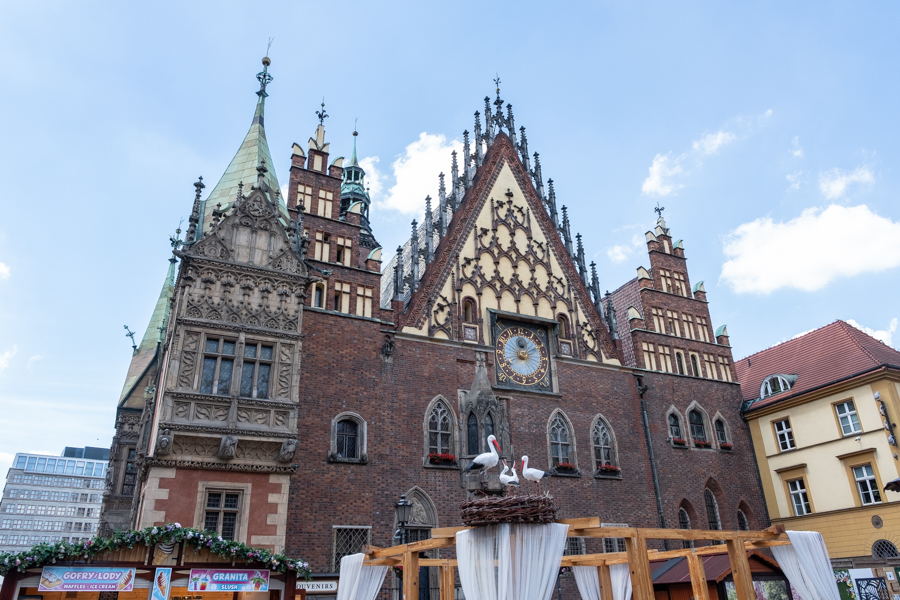
Poland was in the middle of a heat wave, with temperatures in Wroclaw slightly higher than in Alicante, but that did not stop me from taking a long walk in the centre after lunch, starting with the central square Rynek and the medieval city hall:
25_17
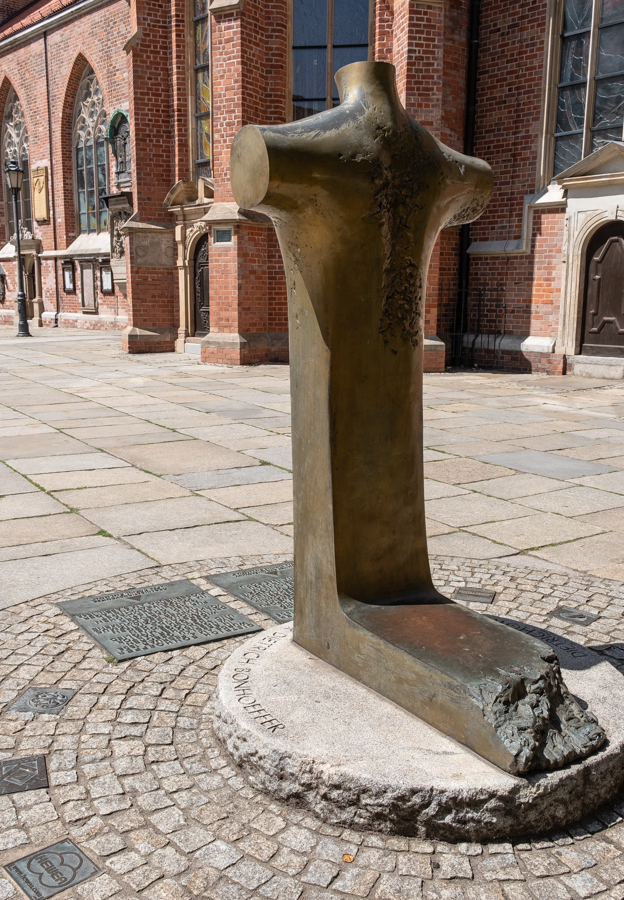
Nearby, next to Wroclaw’s Protestant church, I came across a piece of the city’s painful history, a memorial to a German priest Dietrich Bonhoffer, an opponent of the Nazi regime who died in a concentration camp just before the war ended in 1945:
25_18
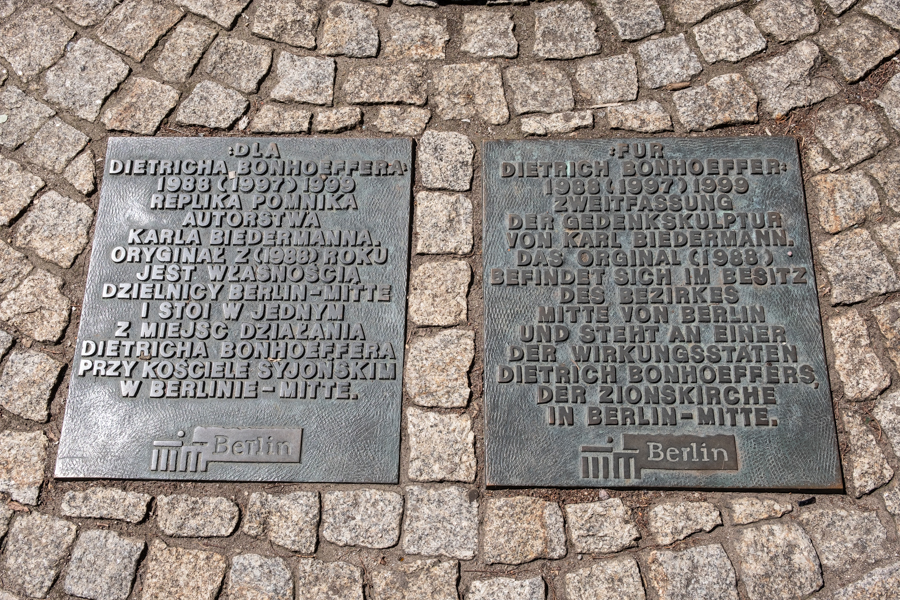
The plaque, in Polish and German, explains that this statue is a replica of the original which is in Berlin:
25_19
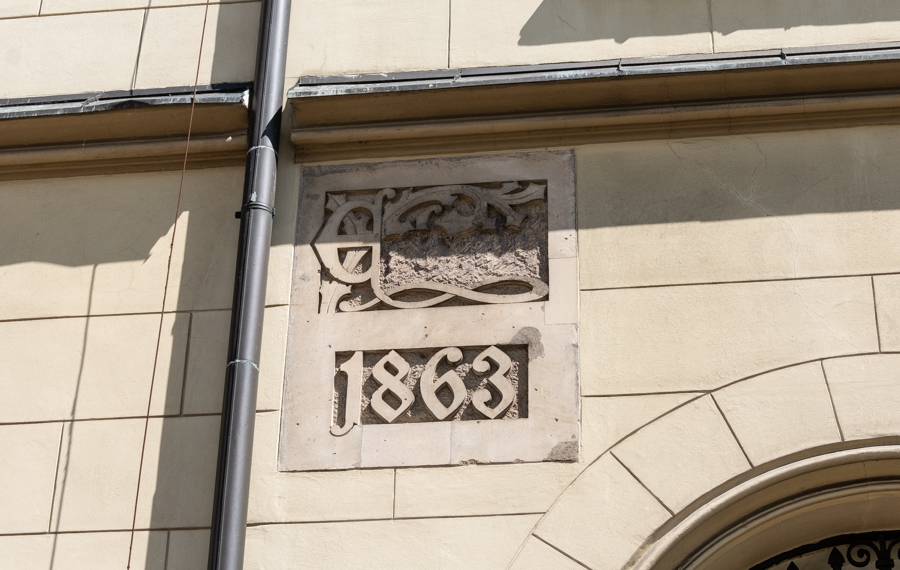
Another piece of history, just the number 1863. To the many tourists who come to Wroclaw from all over the world these days, it is just a number. But to a Pole, this is a year of which every child learns in school. Between 1795 and 1918, Poland did not exist as a state, having been carved up by Germany, Austria-Hungary and Russia. This is why many prominent Poles lived in exile (for example, Chopin in Paris), and there were several uprisings in the Russian-occupied part, the biggest of them in 1863. It was brutally repressed by the Russians but it is still considered a heroic episode in the country’s history:
25_20
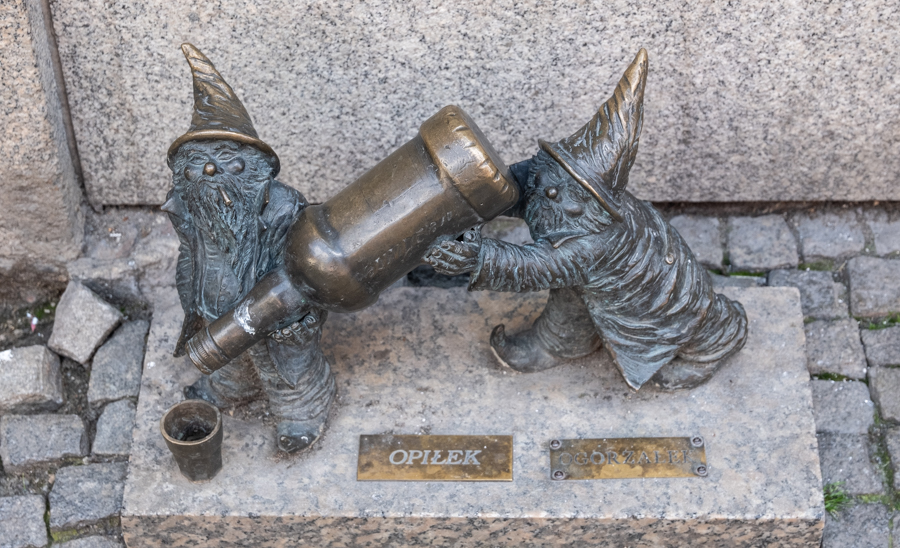
On a lighter note, two of the more than 800 gnomes that are spread all over Wroclaw. These are the drunkard gnomes:
25_21
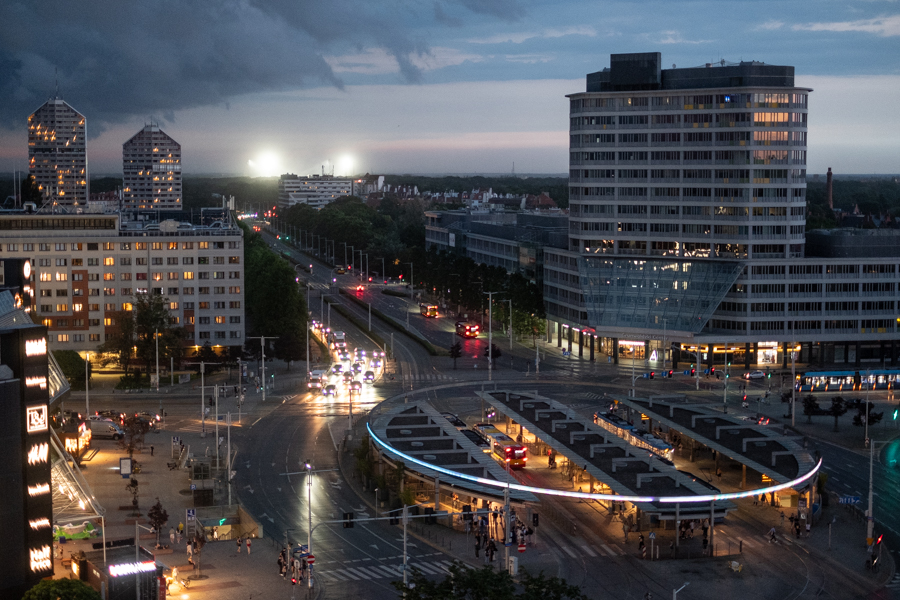
I always enjoy the view of the Ronald Reagan Circle from my sister’s 11th floor balcony. On Friday evening the sky looked threatening but the storm did not arrive until the following day:
25_22
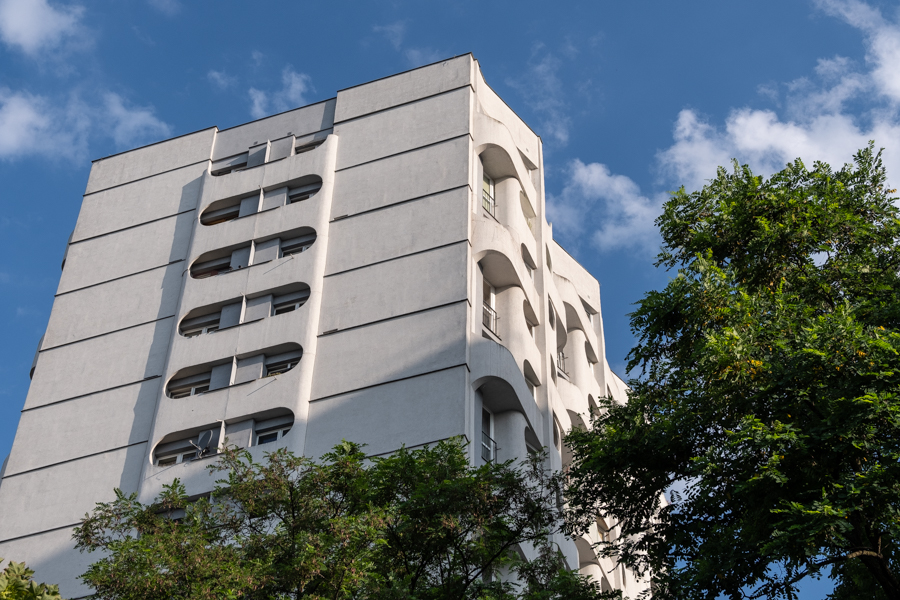
Sunrise is at 4:30 at this time of the year in Wroclaw, and since my sister’s living room where I sleep has a large east-facing window, I tend to wake up really early. So I want for an early walk, and photographed her apartment building, a fine example of 1970s architecture:
25_23
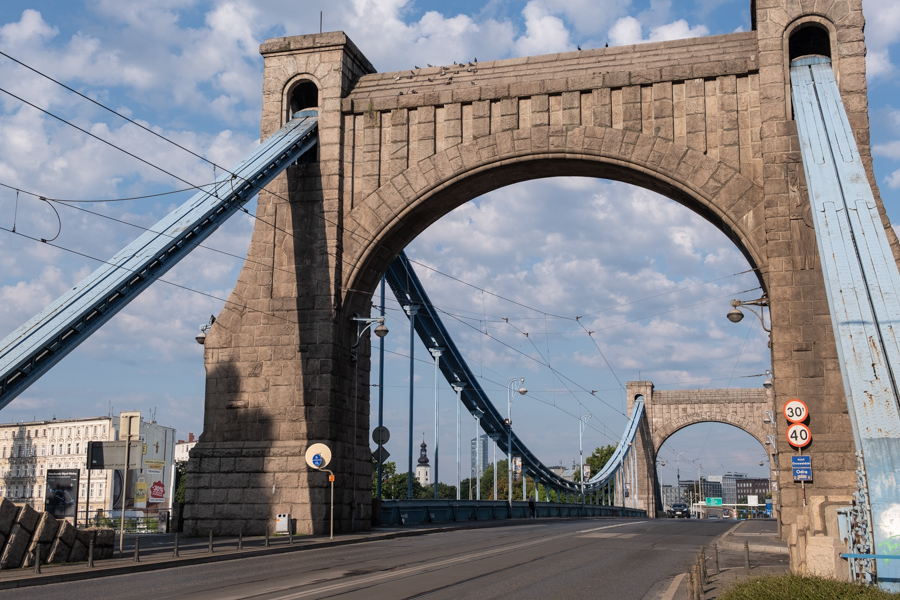
The Grunwaldzki Bridge, opened as Kaiserbrücke in 1910 when Wroclaw was the German city of Breslau, is a short walk from my sister’s apartment:
25_24
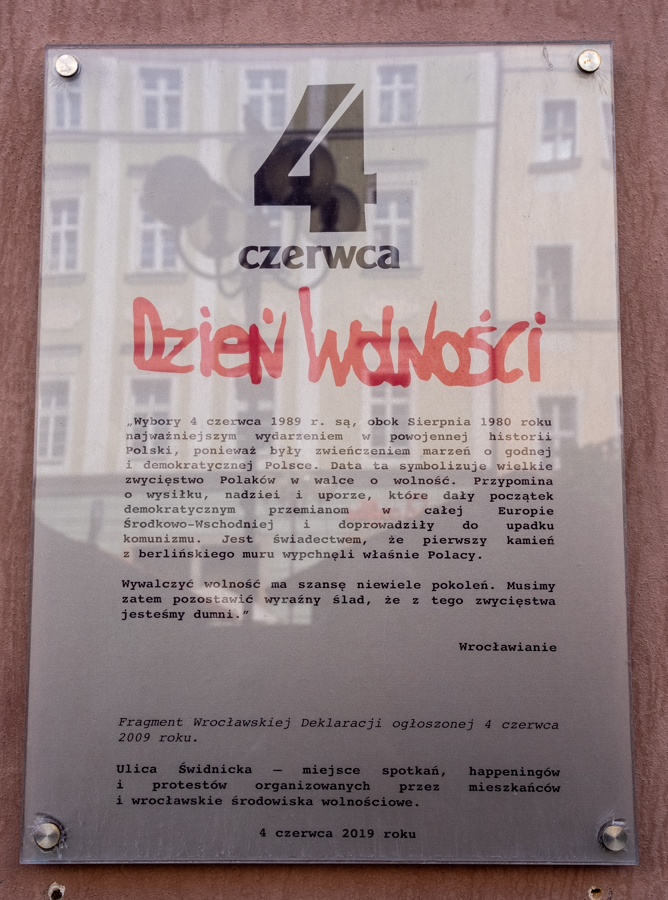
Another piece of history, near my sister’s place. A plaque proclaims 4th June as “freedom day”. It commemorates the first free election on 4th June 1989 and was placed here in 2019:
25_25
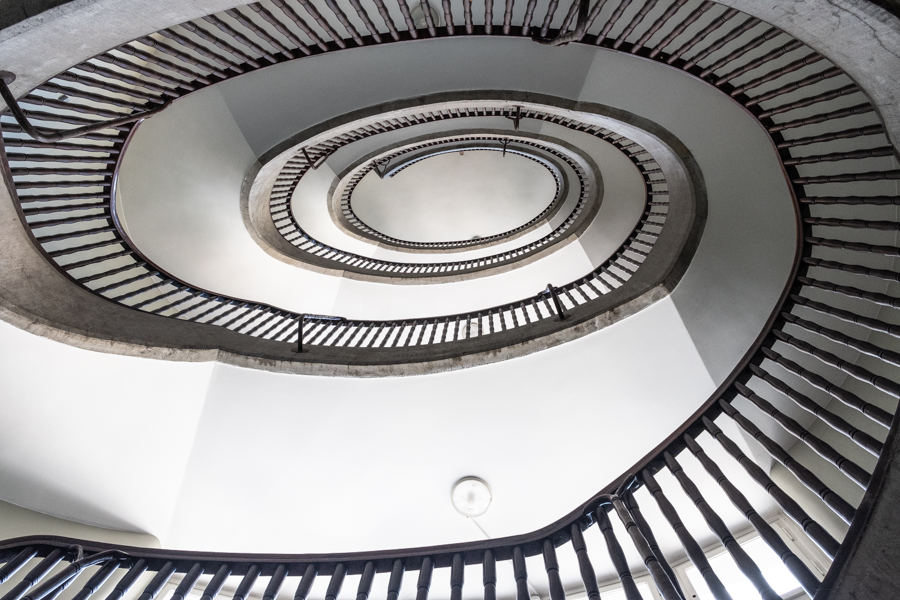
An architectural pearl in my sister’s neighbourhood. This building used to house a Pizza Hut on the ground floor, now out of business. On the upper floors there is a bar and some offices, while the Pizza Hut space is still empty. I very much liked this staircase:
25_26
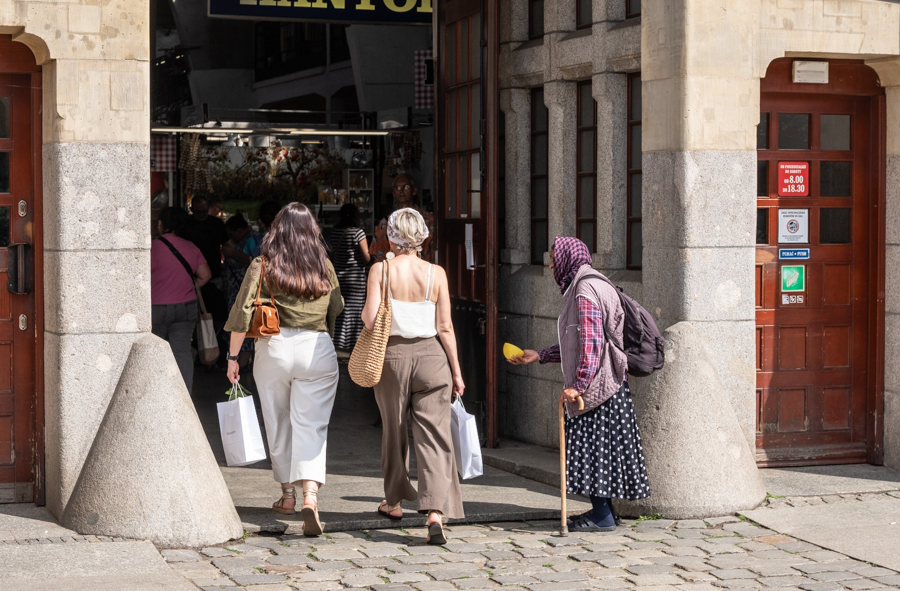
I went for a long walk on Saturday in the middle of day, taking a tram to a place about 4 km from my sister’s and walking back. On the way I passed the main indoor market hall which has been at this spot since pre-war times. The Gypsy beggar at the entrance was probably there 20 years ago also:
25_27
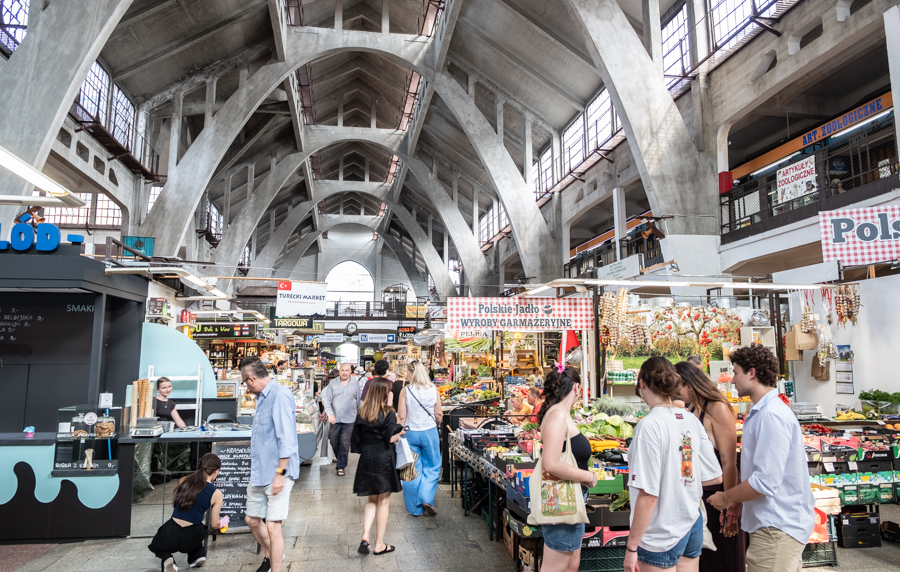
The interior of the market hall is much changed, however, reflecting Poland’s current status as Europe’s most dynamic large economy:
25_28
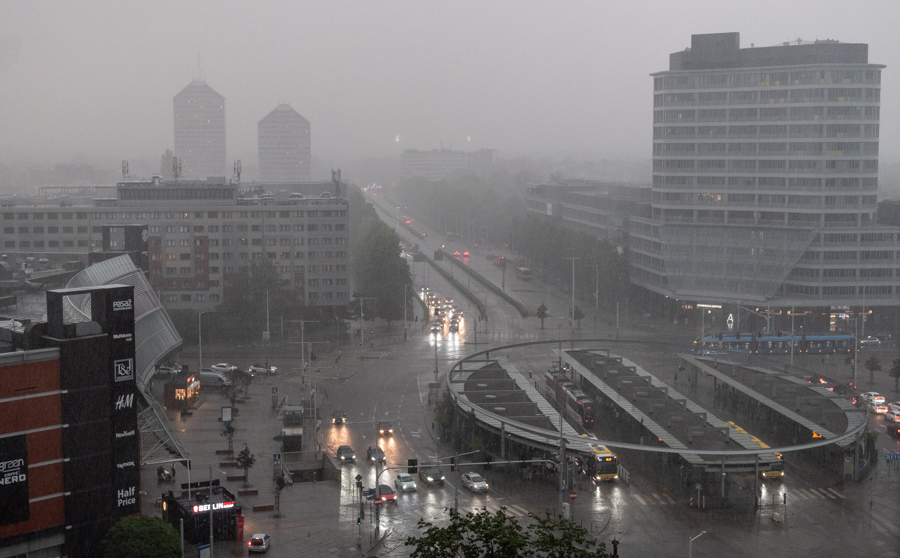
On Saturday afternoon, the storm finally arrived. Since we did not have to go anywhere, we just enjoyed the view from the window:
25_29
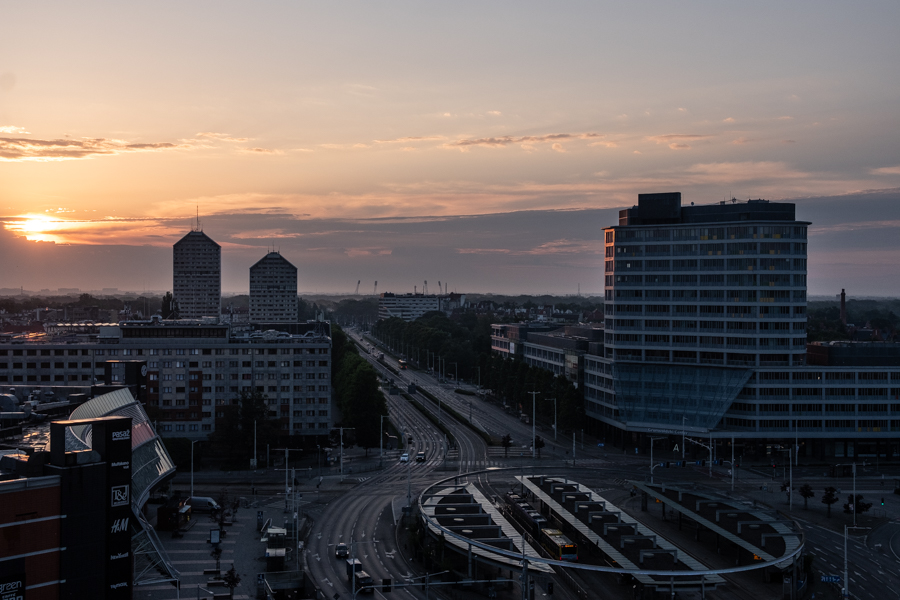
By Sunday morning, things were back to normal summer weather:
25_30
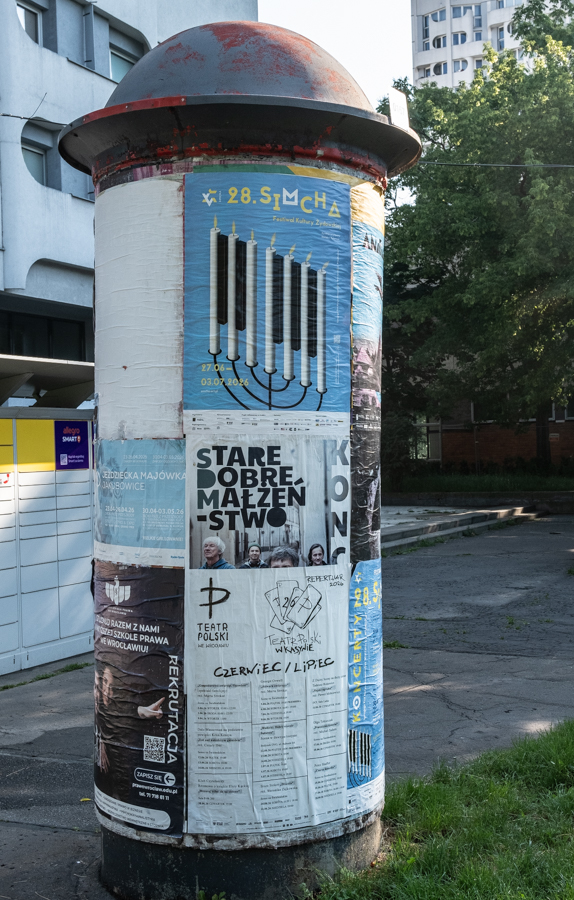
Another sign of the new Poland, a poster advertising a Jewish culture festival in Wroclaw:
25_31
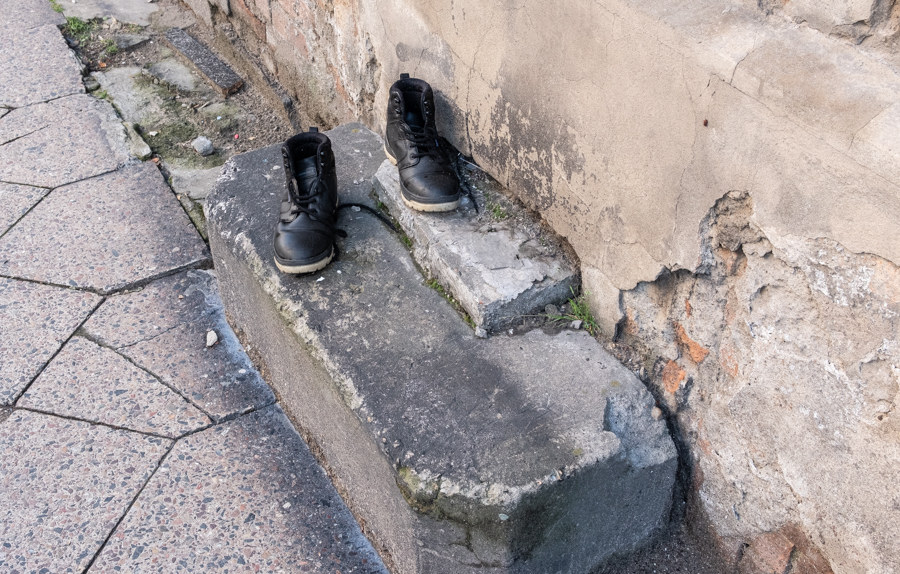
I guess somebody decided that they did not need their heavy shoes in the hot weather:
25_32
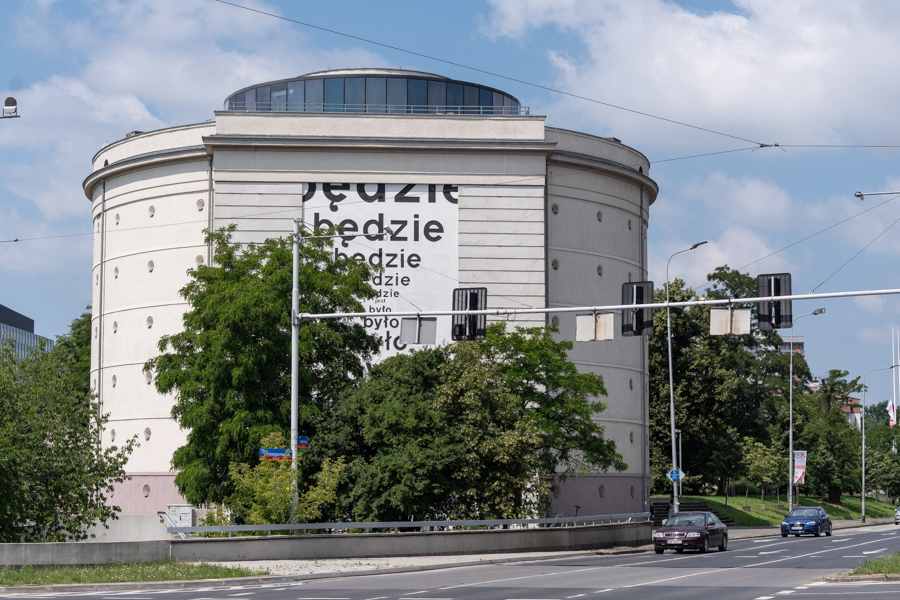
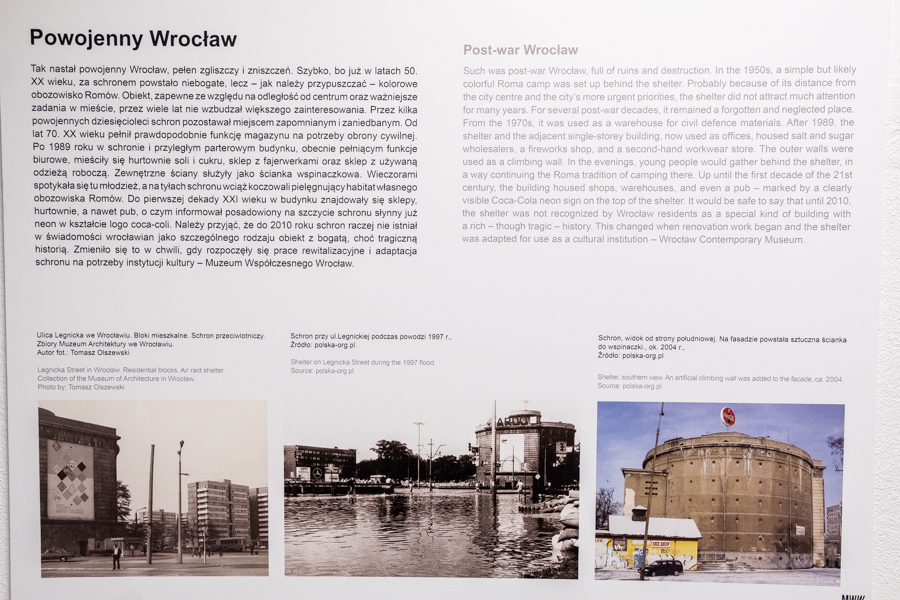
Before lunch on Sunday I went to this World War II bunker, now a contemporary art gallery, a place I visit almost every time I am in Wroclaw:
25_33
An explanatory poster, yet another sign of the brutal history and the current revival of my native city:
25_34
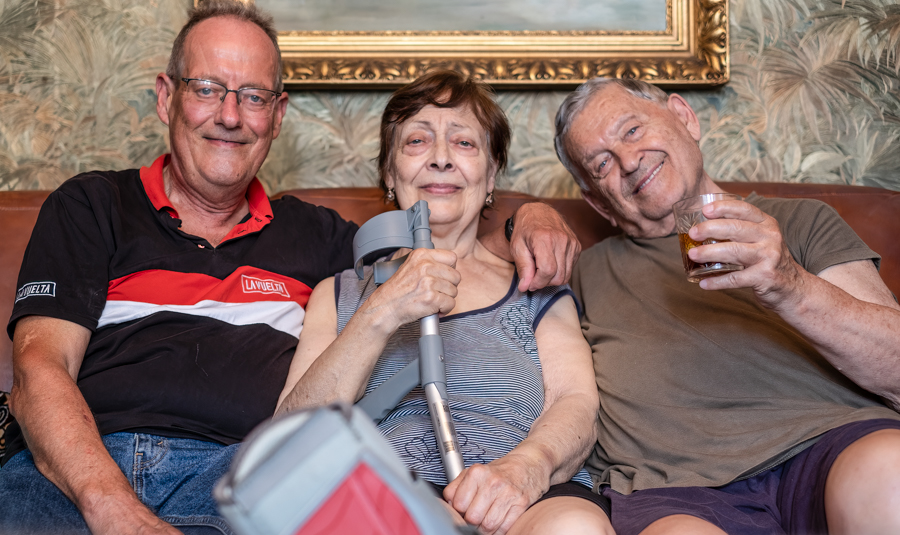
After lunch, we relaxed a bit more, and I made the usual portrait with my sister and brother-in-law. My sister is 80 and her husband is 87, so they are keeping well, all things considered:
A bit later, the taxi came to pick me up, drove me to the airport and I flew home. A comprehensive gallery of Wroclaw is here.